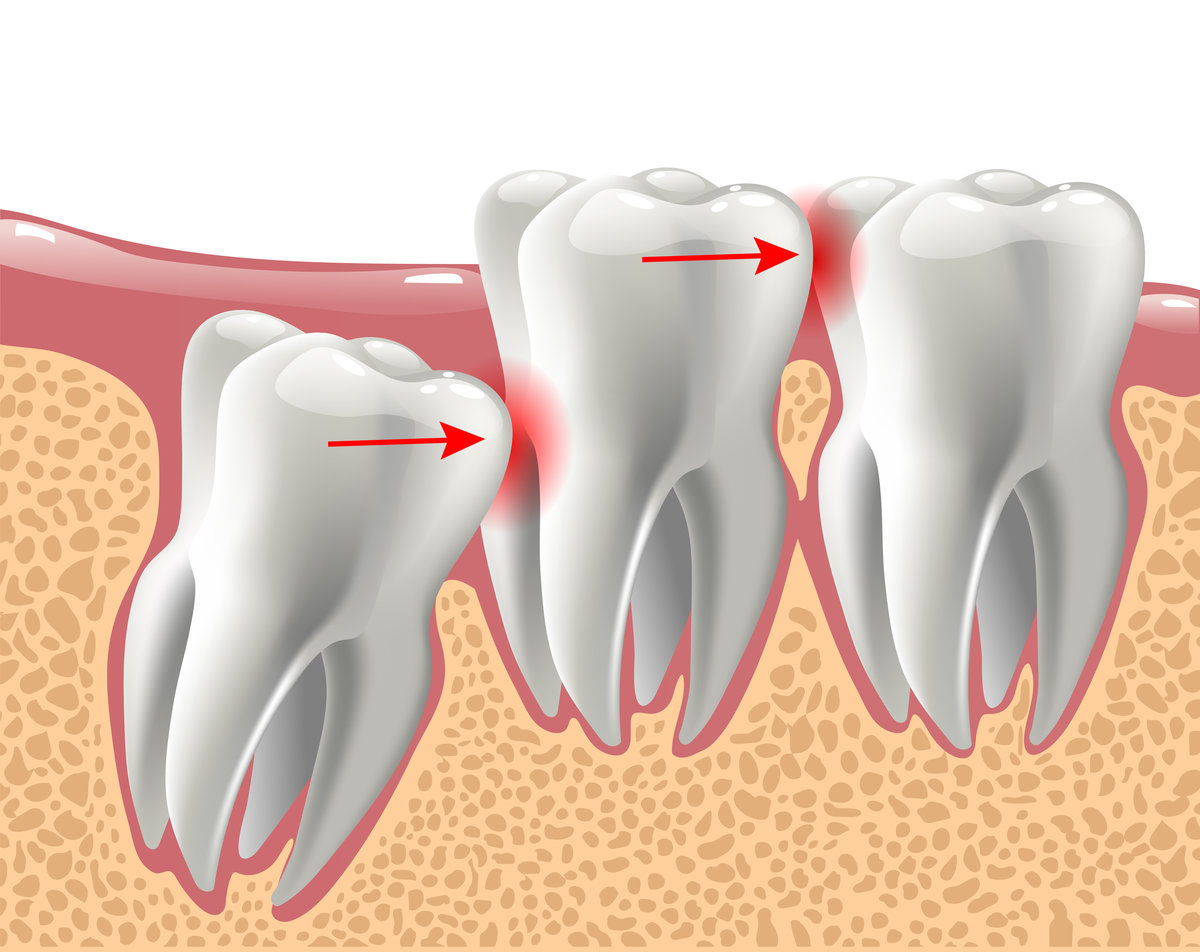
Work With Your Pediatric Dentist To Monitor Wisdom Teeth
Most parents are focused on cavities and cleanings during their child’s early dental years, but as kids move into their teens, a new chapter of dental development quietly begins in the back of the mouth. Wisdom teeth, the last set of molars to form, can start taking shape well before anyone feels them — and by the time symptoms appear, complications may already be underway.
At Bay Area Kids Dentist, our board-certified pediatric dentists have guided countless Bay Area families through this stage of dental development with expert monitoring, clear communication, and personalized guidance. Staying current with your teen’s check-ups and cleanings is one of the most important things you can do to catch wisdom tooth concerns early, before they become more complex to address.
When Do Wisdom Teeth Start Developing?
Wisdom teeth, clinically known as third molars, are the final set of permanent teeth to form. These teeth typically begin forming between ages 10 and 12 and may start erupting anytime between ages 16 and 21, with their development often unpredictable, making ongoing monitoring important for preventing complications like infections, crowding, or gum disease. Smilebay In Lymm Because the early stages of formation happen entirely beneath the gumline, there are no outward signs that anything is happening — which is exactly why routine dental visits during the teenage years matter so much.
Most teens develop four wisdom teeth, though it is not unusual for some to develop fewer. While the crowns begin forming in the mid-teen years, full root development often continues into the early 20s, and that timing plays a major role in treatment decisions. Lonestar Kid’s Dentistry Understanding this timeline helps families plan ahead rather than react when symptoms finally arrive.
Why Monitoring Matters
The Role of X-Rays in Early Detection
Wisdom teeth cannot be evaluated through a visual exam alone. Digital X-rays give our dentists a clear view of what is happening below the surface — the angle of tooth development, how much space exists in the jaw, and whether any adjacent teeth are at risk of being affected. Most dental professionals recommend beginning this kind of monitoring during the early to mid-teen years, well before eruption is expected.
Early imaging allows our team to spot patterns that suggest a higher likelihood of impaction or misalignment, and to have informed conversations with families about what to watch for as development continues. When concerns are identified, knowing about them early gives families more time to plan and more options for how to proceed.
The Risks of Waiting Too Long
When wisdom teeth don’t have enough room to erupt properly, they can become impacted — meaning they remain partially or fully trapped beneath the gum or jawbone. In some cases, third molar eruption late in adolescence or early adulthood can present problems because of inadequate space in the jaws, resulting in malposition and subsequent pain, risk of caries, and periodontal complications. NCBI Partially erupted wisdom teeth are particularly difficult to keep clean, as bacteria and food debris can accumulate in areas a toothbrush cannot effectively reach.
Waiting until symptoms appear to address these concerns can mean dealing with infection, damage to adjacent teeth, or a more complex extraction process. Prophylactic extraction of wisdom teeth is preferred at a younger age, during the middle to late teenage years, to take advantage of incomplete root development, which is associated with an easier surgical procedure and a lower likelihood of complications. Wikipedia
What Your Pediatric Dentist Can and Cannot Do
It is important for families to understand that monitoring wisdom teeth is very much within the scope of pediatric dentistry, while surgical extraction typically falls under the care of an oral surgeon. Our role at Bay Area Kids Dentist is to track development carefully over time, educate your family about what we are seeing, and guide you to the right specialist when the time is right.
For disease-free impacted wisdom teeth, clinical and radiographic monitoring is appropriate to prevent undesirable outcomes, and as adolescent patients approach the age of majority, educating the patient and parent on the value of transitioning to a dentist experienced in adult oral health can help minimize disruption of high-quality care. Aapd We take that responsibility seriously and make sure our teens and their families feel informed and supported throughout the process.
Many parents also wonder whether their teenager should continue seeing a pediatric dentist through the wisdom tooth monitoring years. We address this common question in our blog on whether teens should still see a pediatric dentist, and the short answer is that the specialized training and continuity of care our team offers makes a real difference during this stage of development. For teens who may also have bite concerns related to wisdom tooth pressure, an orthodontic evaluation can help ensure that any changes in alignment are caught and addressed alongside wisdom tooth monitoring.
Bay Area Kids Dentist: With You Through Every Stage
Watching your child grow into a teenager brings a whole new set of questions about their health, and their dental development is no exception. At Bay Area Kids Dentist, our board-certified pediatric dentists at our Santa Clara, Sunnyvale, and Morgan Hill locations are specially trained to support children and teens through every stage of oral development — from first teeth to wisdom teeth. Every dentist in our office has completed additional years of specialized pediatric training, and our child-friendly environments are designed to keep patients of all ages comfortable and at ease.
Whether your teen is due for a routine visit or you have specific questions about what’s happening in the back of their mouth, our team is here to help. Contact our office to schedule an appointment and let us keep a close eye on your child’s developing smile.
