Help For Kids With Bite Problems
Your child’s smile tells you a lot, and when something seems off — teeth that don’t line up, a jaw that shifts to one side, or front teeth that never quite meet — it can leave you wondering what to do next. Bite problems, known clinically as malocclusion, are more common in children than many parents realize, and the earlier they are identified, the easier they are to address.
At Bay Area Kids Dentist, our board-certified pediatric dentists are specially trained to recognize and monitor bite issues from an early age. Whether your child’s concern is mild or more involved, our team offers the kind of attentive, expert care that can make a lasting difference. If you have questions about what we’re seeing during your child’s visits, we encourage you to explore our common childhood dental concerns page for more context on what to expect.
What Is a Bite Problem?
A bite problem occurs when the upper and lower teeth do not come together properly. This misalignment can affect how your child chews, speaks, and even breathes. Malocclusion affects around 56% of people worldwide, and up to 93% of children and adolescents have some degree of it, though not all cases require treatment. Cleveland Clinic
The most common types of bite problems in children include:
- Overbite: the upper front teeth overlap the lower teeth more than they should, sometimes causing the lower teeth to bite into the roof of the mouth
- Underbite: the lower front teeth extend beyond the upper front teeth, which can affect how the jaw develops over time
- Crossbite: one or more upper teeth sit behind the lower teeth rather than in front of them, sometimes causing the jaw to shift to one side
- Open bite: the front teeth don’t make contact when the jaw is closed, which can make biting into food difficult and may affect speech
While some bite problems are inherited, others can develop due to environmental influences. Children who suck their thumbs or fingers after age 5 have a greater chance of developing malocclusion, and children who frequently push their tongue against their front teeth can cause bite shifts over time. Stanford Medicine Children’s Health
Why Early Evaluation Matters
Catching a bite problem early gives your child the best chance at a simpler, more effective correction. Malocclusion seriously affects children’s oral functions, including chewing, swallowing, speech, and temporomandibular joint function, and timely intervention can substantially reduce the severity and complexity of malocclusion in the permanent dentition. PubMed Central Beyond physical health, untreated bite issues can affect a child’s confidence and social development as their smile becomes more prominent to them.
Pediatric dentists are often the first to notice early signs of bite problems during routine checkups. That is why consistent early dental care visits are so valuable — they create a record of how your child’s bite is developing and allow your dentist to spot changes before they become harder to manage. If a concern is identified, your dentist will help determine whether monitoring, a referral, or an early intervention is the right next step.
How Bite Problems Are Addressed
Monitoring and Watchful Waiting
Not every bite irregularity requires immediate treatment. Some bite patterns self-correct as baby teeth are replaced by permanent teeth, and our team will let you know when it’s appropriate to take a wait-and-see approach versus when earlier action is recommended.
Habit-Breaking Appliances
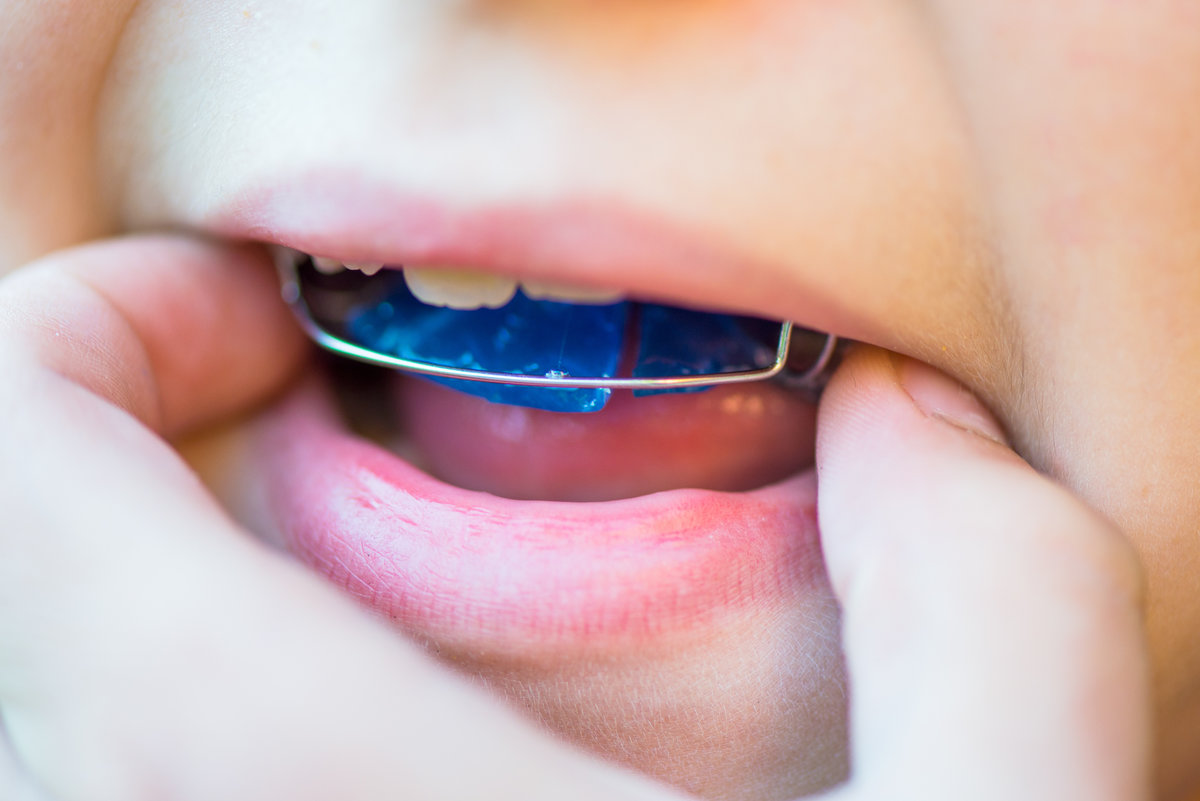
When oral habits like thumb-sucking or tongue thrusting are contributing to a bite problem, habit-breaking appliances can help redirect the forces that are shifting tooth and jaw position. These devices are designed with children’s comfort in mind and are most effective when introduced while the jaw is still growing.
Orthodontic Evaluation
For bite problems that need more structured correction, an orthodontic evaluation helps determine the appropriate timing and type of treatment. Treatment options may include removable appliances such as retainers or clear aligners, fixed braces, or in more complex cases involving the bones, jaw surgery. Stanford Medicine Children’s Health Early orthodontic assessment can prevent a dental problem from progressing into a more significant skeletal concern as your child grows.
Bay Area Kids Dentist Is Here to Help
When it comes to your child’s bite, having a knowledgeable and caring team in your corner makes all the difference. Every dentist at Bay Area Kids Dentist is Board-Certified by the American Board of Pediatric Dentistry, the highest standard of excellence in our field, and has completed additional years of specialized training to care for the unique needs of growing smiles. Our offices in Santa Clara, Sunnyvale, and Morgan Hill are designed with children’s comfort in mind, from our child-friendly equipment to the warm, attentive approach our dental assistants bring to every visit.
We are committed to addressing your concerns clearly so there are no surprises, clinically or financially. If you have noticed changes in your child’s bite or have questions after reading this, we would love to hear from you. Contact our office to schedule a visit and let our team take a closer look.
