
✓Board-certified pediatric dentists
✓Custom-fitted appliances that work around the clock, even during sleep
✓A supportive, non-punitive approach for your child and your family
✓We work with multiple insurance carriers and offer flexible financing solutions
Now accepting new patients. Struggling with thumb sucking or pacifier use? Call our Sunnyvale office today to talk with our team about your child’s options, insurance, and financing, or request an appointment online anytime.
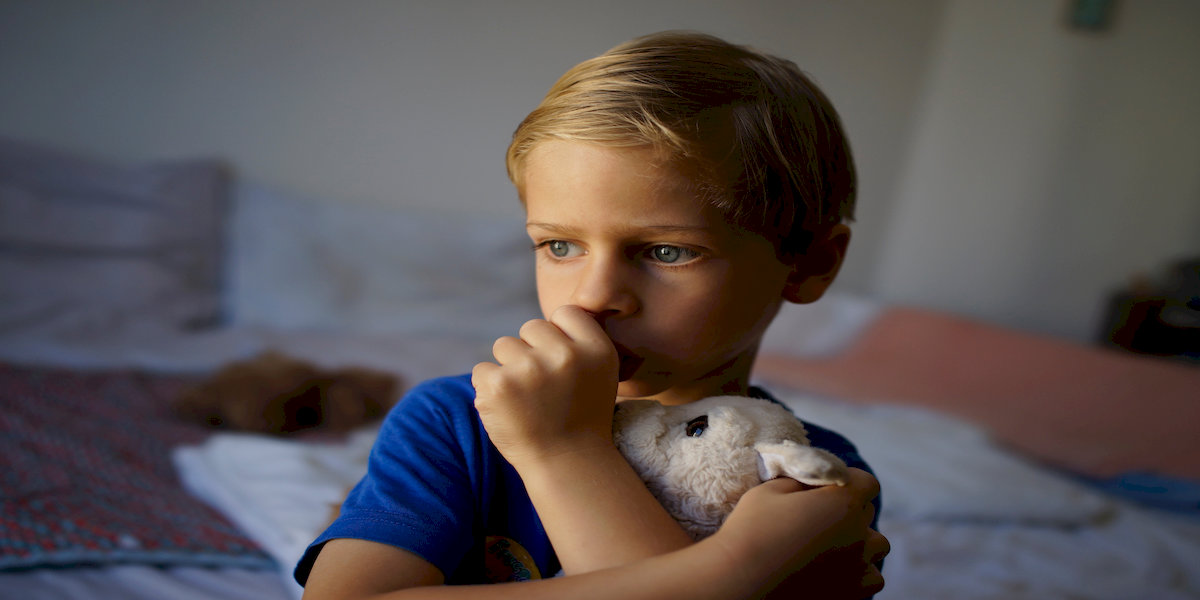
Oral habits in young children are a normal part of early development, but their effects on the teeth and jaw become a real concern when they persist past the age at which they should naturally resolve. Thumb sucking, finger sucking, prolonged pacifier use, and tongue thrusting each exert physical forces on the developing dental arches that, over time, can reshape how a child’s bite comes together. A 2024 review published in the National Institutes of Health’s National Library of Medicine confirmed that thumb sucking, tongue thrusting, and mouth breathing are significant etiological factors in the development of anterior crowding, open bite, proclination of the front teeth, and posterior crossbite, and that understanding these habits is essential for early intervention in pediatric patients. For Sunnyvale families whose children haven’t been able to outgrow these habits on their own, habit-breaking appliances offer a clinical path forward that is both effective and non-punitive.
At Bay Area Kids Dentist in Sunnyvale, CA, our board-certified pediatric dentists take a thorough, child-centered approach to habit management. Every dentist on our team holds certification through the American Board of Pediatric Dentistry (ABPD), reflecting the highest standards of advanced training in pediatric oral health. We understand that habits serve real emotional purposes for young children, and we never recommend a habit-breaking appliance before we are confident that the timing is appropriate and that the child and family are genuinely ready to make a change.
Understanding Oral Habits and Their Impact
The challenge with prolonged oral habits is that they work slowly and quietly. The forces applied during extended periods of suction are enough to shift teeth and modify arch shape over months and years. Here is how the most common habits affect the developing mouth:
Thumb and Finger Sucking
Places direct outward pressure on upper front teeth, can push incisors forward, narrow the upper arch, and create an open bite in which front teeth do not make contact when the back teeth are closed.
Pacifier Use
Similar effects to digit sucking. Extended use beyond age 3 carries meaningful risk for anterior open bite, increased overjet, and posterior crossbite.
Tongue Thrust
The tongue pushes forward against the front teeth during swallowing, keeping persistent pressure that contributes to open bite and front tooth flaring that is difficult to correct orthodontically.
Signs It May Be Time for an Appliance
Most families try a range of approaches before considering a habit-breaking appliance. When those approaches have not worked, it typically reflects one of two realities: either the habit is deeply ingrained, or it occurs primarily during sleep when there is no conscious control. Signs that an appliance evaluation may be appropriate include:
- The habit is still active past age 3 to 4 for pacifiers, or past age 5 to 6 for thumb or finger sucking
- The dentist has identified changes in bite alignment, arch width, or front tooth position
- Behavioral approaches (reward charts, reminders, covers or sleeves) have not produced lasting change
- The habit occurs during sleep and the child cannot control it voluntarily
How Habit-Breaking Appliances Work
Habit-breaking appliances are custom-fitted dental devices designed to interfere with the mechanical satisfaction that sustains an oral habit. The most commonly used design for thumb sucking and tongue thrusting is a fixed palatal crib — a small wire construction cemented to the upper molars with a component that sits behind the front teeth. It makes thumb placement or tongue thrusting unrewarding without causing discomfort.
1
Evaluation Appointment
Our Sunnyvale team assesses the oral effects of the habit, reviews the child’s history, and discusses whether the timing and approach are right for your family.
2
Impressions and Fabrication
Custom impressions or digital scans of the teeth are taken, and the appliance is fabricated to fit precisely.
3
Placement Appointment
The appliance is cemented in and our team walks both parent and child through how it looks, how it functions, and what sensations to expect in the first few days.
4
Monitoring and Removal
We monitor progress at follow-up visits. Once the habit is confirmed broken and sufficient time has passed to confirm it has not resumed, the appliance is removed.
Fixed appliances are typically preferred over removable ones for younger patients because they work consistently around the clock, including during sleep, without depending on the child’s cooperation or the parents’ ability to enforce wear. Most children adapt within one to two weeks, and any initial adjustment to speech and eating resolves quickly in most cases.
Bay Area Kids Dentist: Habit Management for Sunnyvale Families
At Bay Area Kids Dentist, we take habit management seriously because oral habits have a real and measurable impact on the developmental trajectory of a child’s smile. Our Sunnyvale team is experienced in identifying the right moment to intervene, the right appliance for the situation, and the right way to approach the conversation with children and parents so that the process feels supportive rather than stressful. We accept Delta Dental PPO, Cigna Dental, and TRICARE, and offer flexible payment options including CareCredit, Cherry, HSA/FSA, and membership and discount plans.
If you have questions about your child’s oral habits or want to discuss whether a habit-breaking appliance might be appropriate, reach out to our Sunnyvale team through our contact form. We’re here to help your child move past habits that are holding their smile back.
Bay Area Kids Dentist — Sunnyvale
1565 Hollenbeck Ave STE 102, Sunnyvale, CA 94087
(408) 520-2656)
Frequently Asked Questions about Habit-Breaking Appliances in Sunnyvale
At what age should a child stop thumb sucking or pacifier use?
As a general guideline, pacifier habits should ideally be resolved by age 3, and thumb or finger sucking by age 5 to 6. Earlier is better, as the dental arches are more flexible in younger children and any changes caused by the habit are more easily self-corrected once the habit stops. Our team evaluates the timing based on each child’s specific habit, their dental development, and the clinical changes already visible in the mouth.
What does a habit-breaking appliance look like and how does it work?
Habit-breaking appliances are custom-fitted, cemented devices — the most common type is a fixed palatal crib that sits behind the upper front teeth and makes the habit unrewarding without causing pain or discomfort. They are not punitive and most children adapt quickly. Fixed appliances are preferred because they work around the clock, including during sleep, without relying on the child’s cooperation.
My child has tried to stop but can’t. Will an appliance actually help?
Yes, in many cases. When behavioral methods — reward charts, reminders, covers or sleeves — have not produced lasting change, especially when the habit occurs during sleep, an appliance can be effective. It removes the satisfying sensation at the source rather than relying on willpower alone. Our team evaluates whether the timing and readiness are right for each child before recommending one.
How long does habit-breaking appliance treatment take?
Most children adapt to a habit-breaking appliance within one to two weeks. Speech and eating feel different at first, but children are remarkably adaptable and adjustment resolves quickly in most cases. The appliance stays in place for the full treatment period — typically several months — and is removed once the habit is confirmed broken and has not resumed.
My child’s dentist mentioned tongue thrust. What are my options?
Our Sunnyvale pediatric dentists screen for tongue thrust as part of routine preventive visits and can discuss whether an appliance or a referral to a myofunctional therapist is the right path. Addressing the underlying swallowing pattern alongside any orthodontic effects gives the best long-term outcomes.
Does insurance cover habit-breaking appliances?
Coverage varies by plan, but many dental insurance plans provide some coverage for habit-breaking appliances, particularly when they are indicated for documented dental effects. Bay Area Kids Dentist accepts Delta Dental PPO, Cigna Dental, and TRICARE. For families with out-of-pocket costs, flexible options including CareCredit, Cherry, and HSA/FSA are available.
Problems We Treat
 Emergency Tooth Extraction
- Severe Toothache
- Loose or Dislodged Tooth
- Bleeding Gums
- Knocked Out Tooth
- Infection or Swelling in the Mouth
- Jaw Pain
- Chipped or Cracked Tooth


Sealants
Dental sealants are a thin coating of composite material that forms a hardened shield over the tooth...

Silver Diamine Fluoride
At Bay Area Kids Dentist in Sunnyvale, CA, we offer silver diamine fluoride (SDF) as an innovative solution...

Digital X-Rays
Our dental clinic is equipped with digital X-rays, ensuring the safest and most effective imaging for your child...

Dietary Counseling
At Bay Area Kids Dentist in Sunnyvale, CA, we are aware that diet plays a crucial role in maintaining your child's oral health.

Oral Hygiene Instruction
Startlingly, the American Academy of Pediatric Dentistry reports that tooth decay affects a staggering 40% of children...
In-office prescription toothpaste available
At Bay Area Kids Dentist in Sunnyvale, CA, we offer in-office prescription toothpaste designed to enhance your child’s tooth...

First Appointment
At Bay Area Kids Dentist, we understand that a toddler's first dental appointment is an important step...

Pediatric Emergency Dental Care
At Bay Area Kids Dentist in Sunnyvale, CA, we specialize in providing prompt and effective emergency pediatric dental care...

Laughing Gas
Laughing gas, publicly known as nitrous oxide, helps children who are highly fearful of the dentist feel more relaxed...

Sedation Dentistry
At Bay Area Kids Dentist in Sunnyvale, CA, we perform a range of sedation options to ensure your child's comfort...

Special Needs Dental Care
At Bay Area Kids Dentist in Sunnyvale, CA, we recognize the unique challenges children with special health needs face...

Tooth Extractions
At Bay Area Kids Dentist in Sunnyvale, CA, we offer expert tooth extraction services tailored to the unique needs of children...

Space Maintainers
When a child loses a baby tooth early, the surrounding teeth might shift into the space, leading to alignment...

White Filling
At Bay Area Kids Dentist in Sunnyvale, CA, we provide practical solutions for child tooth decay...
