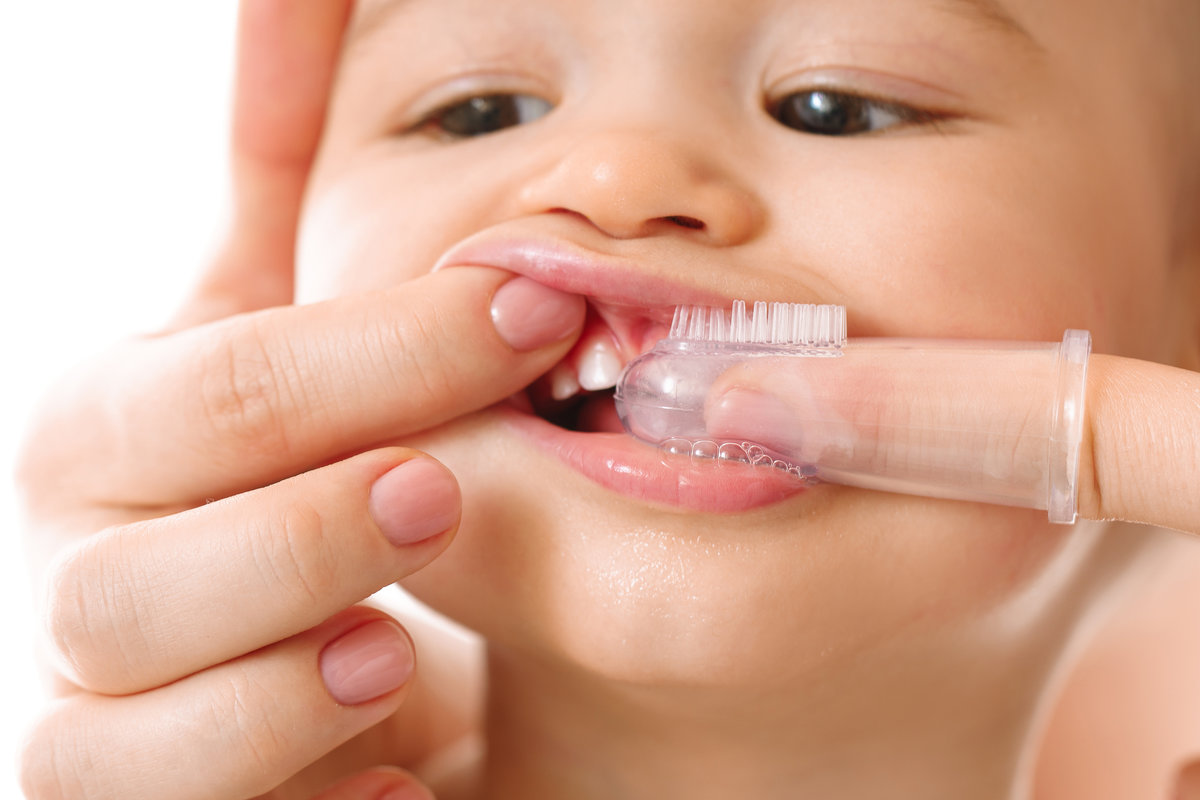
Teething Symptoms vs. Other Health Issues: How to Tell the Difference in Babies and Toddlers
Your baby is fussy, drooling through every outfit, and chewing on anything in reach, but how do you know if those little teeth are finally pushing through or if something else entirely is going on? For many parents, the overlap between teething symptoms and signs of illness can feel impossible to sort out, leading to sleepless nights and calls to the pediatrician that leave everyone more confused than reassured. Knowing what teething actually looks and feels like for your child is one of the most valuable tools you can have as a parent.
At Bay Area Kids Dentist, our board-certified pediatric dentists across our Santa Clara, Sunnyvale, and Morgan Hill locations help families navigate every stage of their child’s oral development, including those tricky, confusing teething months. You can find helpful guidance on teething tips and how to comfort your baby right on our website.
What Teething Actually Looks Like
Teething is a normal milestone that typically begins around six months of age and continues through age three as all 20 primary teeth make their appearance. The symptoms that genuinely come with teething are mostly localized and manageable.
The Real Signs of Teething
True teething symptoms tend to center around the mouth and include:
- Increased drooling: You may notice significantly more saliva than usual, often leading to a mild rash around the chin or mouth from the constant moisture.
- Gum swelling and redness: The tissue right around the emerging tooth often appears puffy, tender, and slightly darker in color.
- Chewing and biting: Babies instinctively apply pressure to their gums to relieve discomfort, so chewing on toys, fingers, and anything they can grab is a telltale sign.
- Mild fussiness: Some irritability is normal, particularly in the four days before and after a tooth breaks through the gum line.
- Ear rubbing: This can be related to teething discomfort radiating along the jaw, though it’s also important to rule out an ear infection.
These symptoms generally come and go in short windows around each individual tooth eruption and do not persist for weeks at a time. Understanding baby teeth and what parents need to know can help you put these signs into proper context.
What Teething Does Not Cause
This is where many parents understandably get tripped up. Several symptoms are so commonly attributed to teething that they’ve taken on a life of their own as “teething myths.” According to the American Academy of Pediatrics, teething does not cause fever, diarrhea, or prolonged inconsolable crying. If your child is experiencing any of these, it is worth a call to your pediatrician to rule out an infection or another underlying issue.
A fever above 100.4 degrees Fahrenheit is not a teething symptom. It is a sign your child’s immune system is responding to something, whether that’s a cold, ear infection, roseola, or another illness. Similarly, diarrhea is not caused by teething, and it should be evaluated if it lasts more than a day. Rashes beyond the chin and mouth area, such as those on the torso, back, or extremities, are also not related to teething and warrant attention. Knowing when dental care should begin for a baby can also help you establish an early relationship with a pediatric dentist so these questions never go unanswered.
When to Call the Doctor vs. the Dentist
It can feel like a guessing game deciding who to call when your little one is uncomfortable. Here is a simple way to think about it: if the symptoms are coming from the mouth, the gums, or the teeth themselves, a pediatric dentist is your best resource. If the symptoms are systemic, meaning they involve a fever, digestive upset, a body rash, or significant changes in breathing or behavior, your pediatrician is the right first call.
Persistent, inconsolable crying that seems out of proportion to what teething typically causes is a signal to seek medical attention. Likewise, swelling that extends beyond the gum line into the face or neck, white patches inside the mouth, or gum tissue that looks infected rather than just tender are all reasons to schedule a dental appointment promptly. Staying informed about common dental issues in children and their early warning signs helps you make those calls with more confidence.
Bay Area Kids Dentist Is Here for Every Tooth, Every Stage
Watching your child grow and develop is remarkable, and it’s even better when you have a trusted dental team by your side through every milestone. Our pediatric dentistry services are designed to meet children at every stage of development, from the very first tooth to the last baby tooth they’ll eventually hand off to the Tooth Fairy. Every dentist on our team is board-certified by the American Board of Pediatric Dentistry, reflecting the highest standards of specialized training and care.
You should never have to guess whether what your child is experiencing is normal or something that needs attention. Our team is here to answer exactly those kinds of questions, help you understand what healthy development looks like, and provide the kind of warm, child-centered environment where even the youngest patients feel safe and at ease. Reach out to us today through our contact page to schedule an appointment at our Santa Clara, Sunnyvale, or Morgan Hill office.
