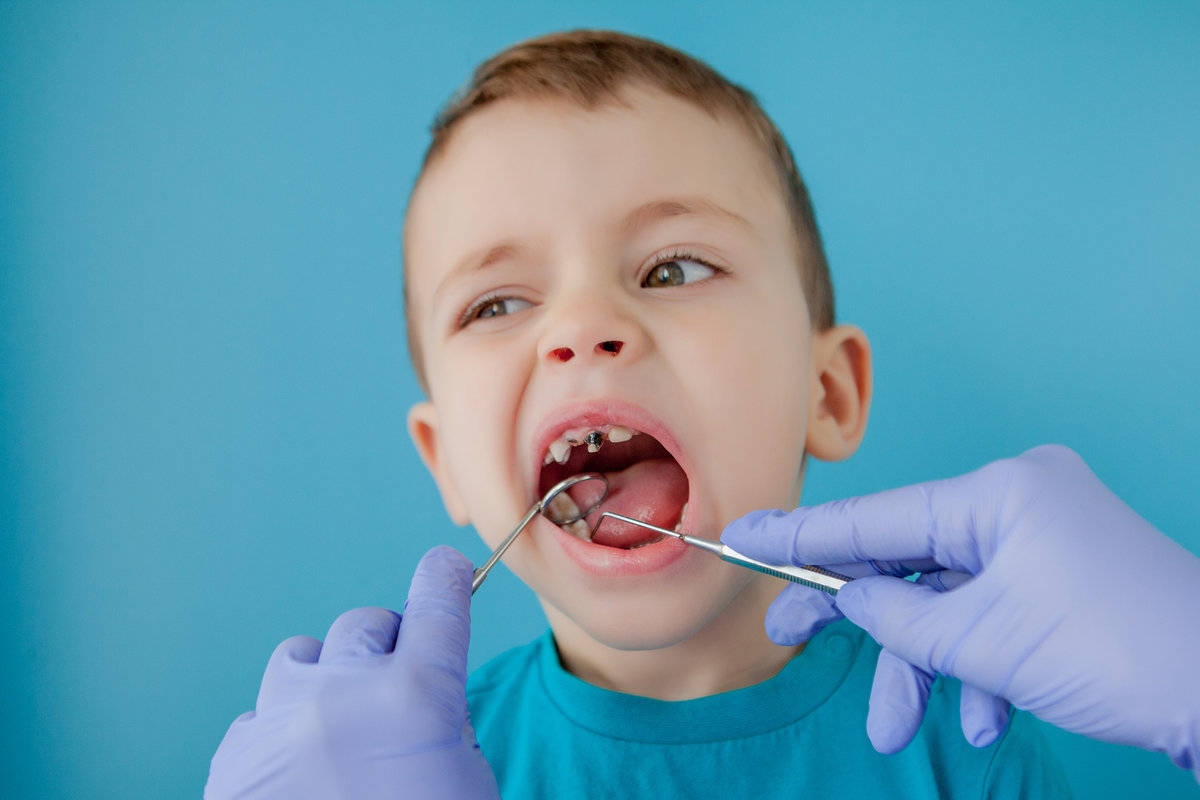
How Thumb Sucking Affects Your Child's Teeth and When to Intervene
As a parent, watching your child suck their thumb can feel completely harmless at first. It is a self-soothing behavior that begins in infancy, and for most young children, it is a totally normal part of development. However, when the habit continues beyond the early toddler years, it can start to take a real toll on your child’s developing smile, jaw, and bite. Understanding what is actually happening in the mouth during this time can help you make informed decisions about your child’s oral health.
At Bay Area Kids Dentist, we work with families every day who have questions about thumb sucking and when to be concerned. Our preventive care approach means we are always looking ahead, catching potential issues before they become bigger problems. Knowing the signs of dental changes related to thumb sucking is the first step toward protecting your child’s smile for the long term.
How Thumb Sucking Affects Tooth and Jaw Development
The mechanics of thumb sucking are straightforward: when a child places their thumb in their mouth and applies pressure repeatedly over time, that pressure reshapes soft, malleable bone and pushes developing teeth out of alignment. Children’s jaws are still growing and highly responsive to the forces placed on them, which is exactly why this habit can cause measurable changes.
Some of the most common dental effects include:
- Anterior open bite, where the upper and lower front teeth no longer meet when the mouth is closed
- Increased overjet, meaning the upper front teeth protrude further forward than they should
- Posterior crossbite, where the upper back teeth sit inside the lower back teeth
- Narrowing of the upper arch, which can affect how teeth fit together long term
These changes do not happen overnight, and mild habits may resolve on their own early in childhood. That said, the longer the habit persists and the more intense the sucking, the greater the risk of lasting effects on alignment and jaw development.
When Should You Be Concerned?
Not every child who sucks their thumb will end up with significant dental problems. A few factors determine how much risk is actually present:
- Age: Habits that stop before age three or four are far less likely to cause permanent changes
- Intensity: Passive resting of the thumb in the mouth causes less damage than active, forceful sucking
- Duration: How many hours a day and how many years the habit continues matters significantly
If your child is over the age of four and the habit is still ongoing, it is worth having a conversation with a pediatric dentist. At Bay Area Kids Dentist, we have seen common pediatric dental issues that started as habits left unaddressed, and early intervention always leads to better outcomes. A comprehensive checkup gives us the ability to assess whether changes are occurring and what, if anything, needs to happen next.
How to Help Your Child Stop
For many families, the first concern is not what to do dentally but how to help their child actually break the habit. Here are some practical strategies that pediatric dentists often recommend:
- Positive reinforcement: Praise and reward your child for not thumb sucking rather than punishing them when they do
- Gentle reminders: Soft, calm cues at home during waking hours can help your child stay aware of the habit
- Identify triggers: Many children default to thumb sucking when tired, anxious, or bored, so addressing those underlying moments can reduce the behavior
- Cover the thumb at night: A sock, bandage, or glove can interrupt the habit during sleep
If at-home strategies are not enough, our team may discuss habit-breaking appliances designed specifically to help children stop oral habits like thumb sucking. These custom dental devices make it physically difficult for the habit to continue and are often highly effective when positive reinforcement alone has not worked. You can also explore additional guidance on our how to stop thumb sucking resource for more strategies.
Bay Area Kids Dentist Is Here to Help Your Child Thrive
Our board-certified pediatric dentists at Bay Area Kids Dentist have completed years of specialized training beyond dental school, all focused on caring for children’s unique dental needs. We serve families across Santa Clara, Sunnyvale, and Morgan Hill, and our offices are designed from top to bottom with kids in mind so every visit feels welcoming rather than worrying. Every professional dentist on our team is Board-Certified by the American Board of Pediatric Dentistry, the highest standard of excellence in pediatric care.
We understand that every child is different, and we meet each family where they are. If you are concerned about your child’s thumb sucking habit and its potential effect on their smile, we are here to guide you every step of the way. Meet our team of pediatric specialists and then schedule an appointment at our Santa Clara, Sunnyvale, or Morgan Hill location so we can take a look and give you the clarity you need.
