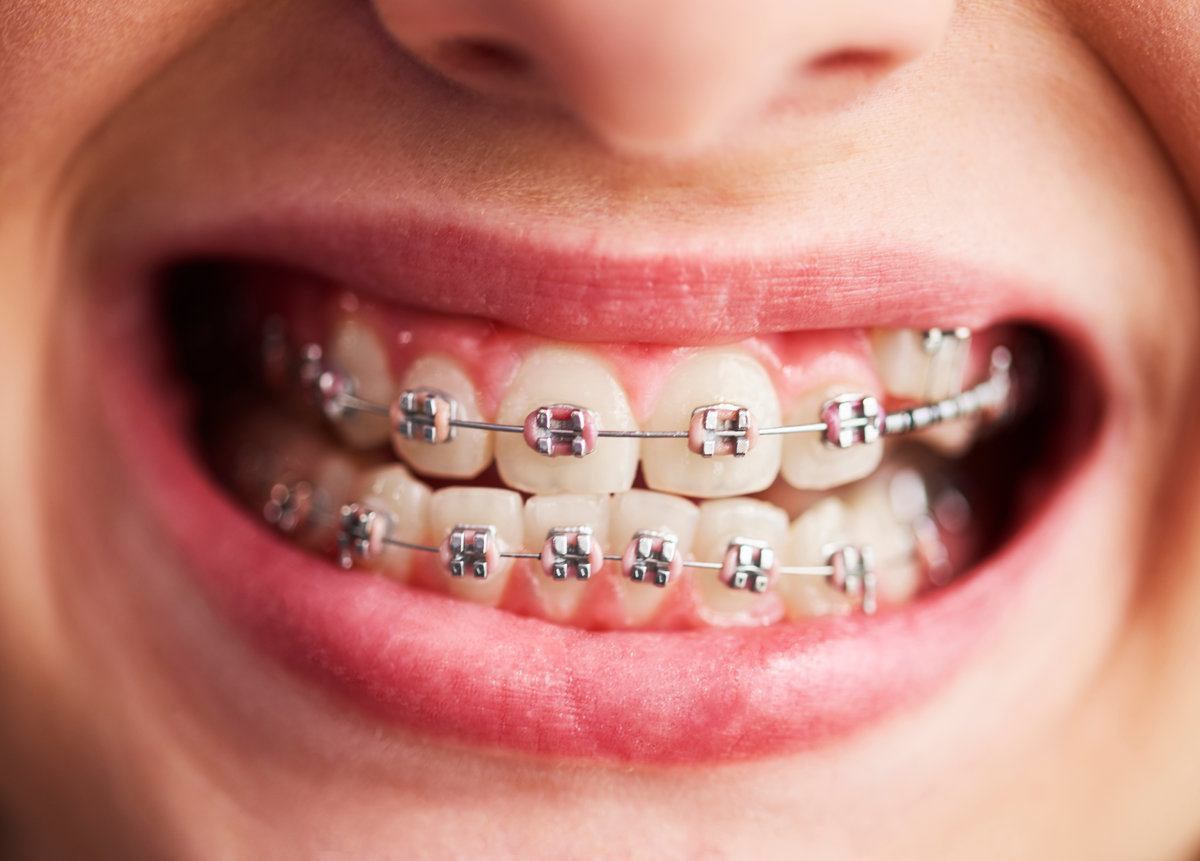
When Should My Child Get Braces? Early Signs and the Right Age for Orthodontic Evaluation
As a parent, watching your child’s smile develop is one of the most rewarding parts of those early years. But when teeth come in crooked, crowded, or a bite looks off, it’s natural to start wondering whether braces are in your child’s future. Knowing when to seek an evaluation, and what signs to look for, can make a significant difference in your child’s long-term oral health and the complexity of any future treatment.
Our pediatric dentistry team at Bay Area Kids Dentist works closely with families across Santa Clara, Sunnyvale, and Morgan Hill to monitor every stage of your child’s dental development. When questions about alignment or bite arise, we help guide parents toward the right next steps, including when to pursue an orthodontic evaluation.
The Recommended Age for a First Orthodontic Evaluation
The American Association of Orthodontists (AAO) recommends that children receive their first orthodontic check-up no later than age 7. At this age, most children have a mix of baby and permanent teeth, which gives a specialist a clear picture of how the jaw and bite are developing. This doesn’t mean your child will need braces right away. In many cases, the evaluation simply provides a baseline and a monitoring plan.
Early evaluations are often more about gathering information than starting treatment. In fact, there are typically three outcomes from an early check-up: no treatment is needed at all, treatment may be needed later and the child is monitored as they grow, or there is a developing issue that benefits from early intervention. Any one of these outcomes is valuable because it puts parents in a position to plan and act with confidence.
Early Warning Signs to Watch For
Every child’s dental development is unique, but certain patterns can signal that an orthodontic evaluation should happen sooner rather than later. You don’t have to wait until your child’s baby teeth are all gone or until a problem becomes obvious. Some of the most common signs to look for include:
- Crowded, overlapping, or widely spaced teeth
- An overbite, underbite, crossbite, or open bite
- Early or late loss of baby teeth
- Difficulty chewing or biting
- Mouth breathing or snoring
- A jaw that shifts, pops, or clicks when opening and closing
- Thumb or finger sucking habits that have continued past age 4 or 5
If you notice any of these, bring it up at your child’s next dental visit. Our board-certified pediatric dentists at Bay Area Kids Dentist are trained to spot early developmental changes and can help determine whether a referral makes sense.
Phase 1 vs. Phase 2 Treatment
Orthodontic treatment for children is often divided into two phases. Phase 1, also known as early interceptive treatment, typically takes place between ages 6 and 10 while the jaw is still growing and more responsive to guidance. This phase may involve appliances like palatal expanders or space maintainers to create room for incoming permanent teeth and correct jaw width before more serious problems develop.
Phase 2 treatment typically begins after most or all permanent teeth have come in, usually between ages 11 and 14. This is the stage where traditional braces or clear aligners are most commonly used to align the teeth and finalize the bite. Not every child needs Phase 1 treatment, but for those who do, addressing issues early can shorten Phase 2 treatment time and lead to more stable, lasting results.
Why Pediatric Dentist Involvement Matters
Your child’s pediatric dentist plays an important role in the orthodontic journey, even before a specialist is ever involved. Regular check-ups allow your dental team to track eruption patterns, flag bite concerns, and recommend evaluations at the right developmental window. At Bay Area Kids Dentist, every provider is Board-Certified by the American Board of Pediatric Dentistry, meaning your child’s care is always in the hands of a specialist trained specifically for children’s growing smiles.
Catching an issue early also tends to reduce the complexity and cost of treatment down the road. Problems that are straightforward to address at age 7 or 8 can become significantly more involved if left until adolescence, when jaw growth has slowed and treatment options may be more limited.
Bay Area Kids Dentist: Supporting Your Child’s Smile Every Step of the Way
Braces are a big milestone, and knowing when to take that first step is something we help families navigate every day. Whether your child is showing signs of an alignment issue or you simply want peace of mind, we are here to provide guidance grounded in clinical expertise and genuine care for your child’s long-term health.
To get started, contact us and schedule an appointment at our Santa Clara, Sunnyvale, or Morgan Hill location. Our team looks forward to supporting your child’s smile at every stage of development.
