
Why Does Sedation Make Dental Visits Easier for Kids?
Dental visits can feel overwhelming for children, especially when they are young or visiting the dentist for the first time. Bright lights, unfamiliar sounds, and the thought of dental tools in their mouth can feel frightening for many children. Parents often ask, why does sedation make dental visits easier, and whether it is truly helpful for their child. Sedation dentistry helps lower stress and discomfort, making dental care more manageable for children who feel anxious or have trouble remaining still during treatment.
When used appropriately, sedation can help children receive the care they need without fear becoming a barrier. Understanding how and why it works can help parents make informed, confident decisions.
Why Do Kids Feel Fear or Anxiety During Dental Visits?
Fear of the dentist is common in children and often starts early. Many kids do not yet have the coping skills to manage new or uncomfortable situations. A dental office can feel especially intimidating.
Common reasons children feel anxious include:
- Fear of pain: Even routine cleanings may seem scary to a child who does not know what to expect.
- Sensitivity to sounds and sensations: The sound of dental tools or the feeling of vibration can be distressing.
- Previous negative experiences: One difficult visit can shape how a child feels about future appointments.
- Loss of control: Lying back in a chair while an adult works in their mouth can feel unsettling.
Children with special healthcare needs, strong gag reflexes, or difficulty remaining still may experience even higher levels of stress. Without proper support, fear can make dental care challenging for both the child and the dental team.
How Sedation Reduces Fear and Discomfort
Sedation works by helping children relax during dental procedures. It does not remove awareness entirely in most cases, but it can significantly reduce anxiety and physical tension.
Key ways sedation helps include:
- Promotes calmness: A relaxed child is less focused on sounds, sensations, or worries.
- Reduces movement: This allows the dentist to work efficiently and safely.
- Minimizes discomfort: Sedation can lessen sensitivity and the perception of pain.
- Creates positive associations: A calmer visit can help prevent long-term dental fear.
For many families, pediatric sedation dentistry allows necessary treatments to be completed in fewer visits. This can be especially helpful for children who need multiple procedures or have limited tolerance for dental care.
Is Sedation Dentistry Safe for Kids?
Safety is the top concern for parents, and it is a valid one. When performed by trained professionals and following established guidelines, sedation dentistry is considered safe for children.
Before recommending sedation, the dentist will review:
- The child’s age, weight, and overall health
- Medical history and any medications
- The type and length of the procedure
Monitoring is continuous during treatment. During the procedure, heart rate, breathing, and oxygen levels are carefully tracked to ensure the child remains stable and comfortable. Dentists who provide sedation undergo specific training to manage these cases and respond to any concerns promptly.
Sedation is not used unless it is appropriate for the child’s needs. For many children, simpler behavior guidance techniques are enough. Sedation is typically reserved for situations where anxiety or treatment complexity makes it beneficial.
What Types of Sedation Are Used for Children?
There are several types of sedation, and the choice depends on the child’s needs and the procedure being performed.
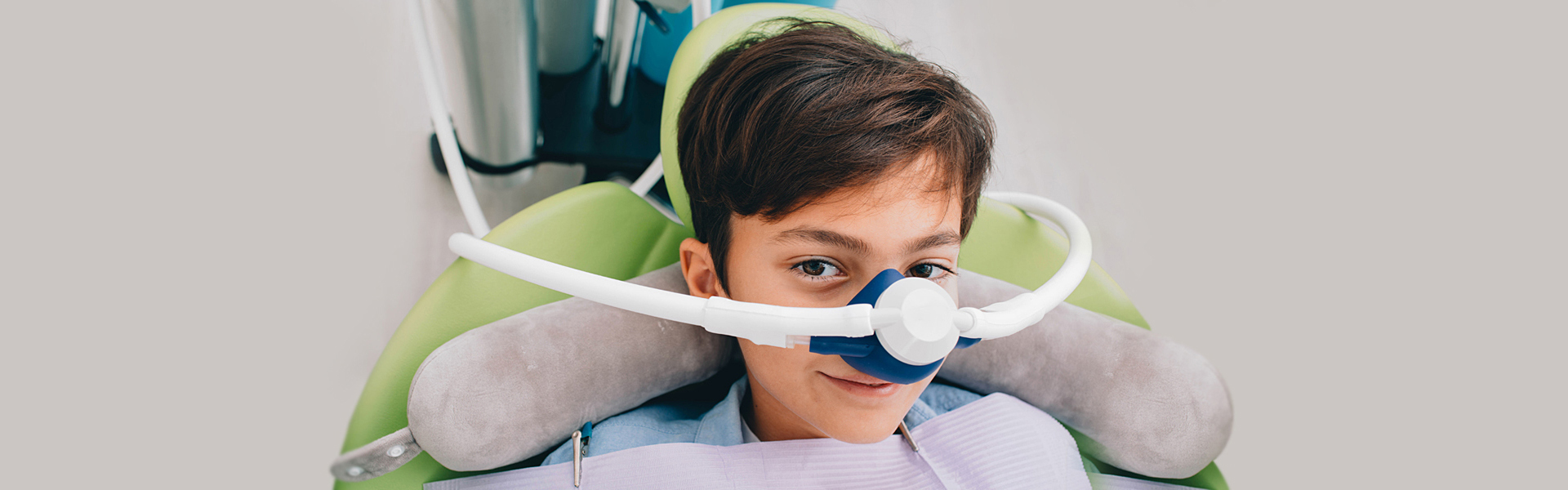
Nitrous Oxide (Laughing Gas)
This is one of the most common options. It helps children feel relaxed and calm while remaining awake and responsive. The effects wear off quickly after treatment.
Oral Sedation
Medication is given orally before the appointment to help the child feel calm and relaxed. It creates a deeper level of relaxation and may cause drowsiness. Children may remember little of the visit afterward.
IV Sedation or General Anesthesia
These options are used for more complex cases or when extensive treatment is needed. They are typically provided in specialized settings with advanced monitoring.
A kids dentist in Santa Clara CA, will carefully explain which option is recommended and why. Parents are encouraged to share questions or concerns with the dental team before treatment begins.
Final Thoughts
Sedation dentistry can help children receive needed dental care in a calmer, more comfortable way when fear or distress would otherwise interfere. By reducing anxiety and discomfort, it supports better oral health and more positive dental experiences over time. Each child is different, and sedation is always considered on an individual basis, with safety and comfort as the priority.
If your child struggles with dental anxiety or has special treatment needs, a thoughtful discussion with your dentist can help determine the right approach. At Bay Area Kids Dentist, the focus is on gentle care, clear communication, and creating an environment where children feel safe and supported during every visit.