
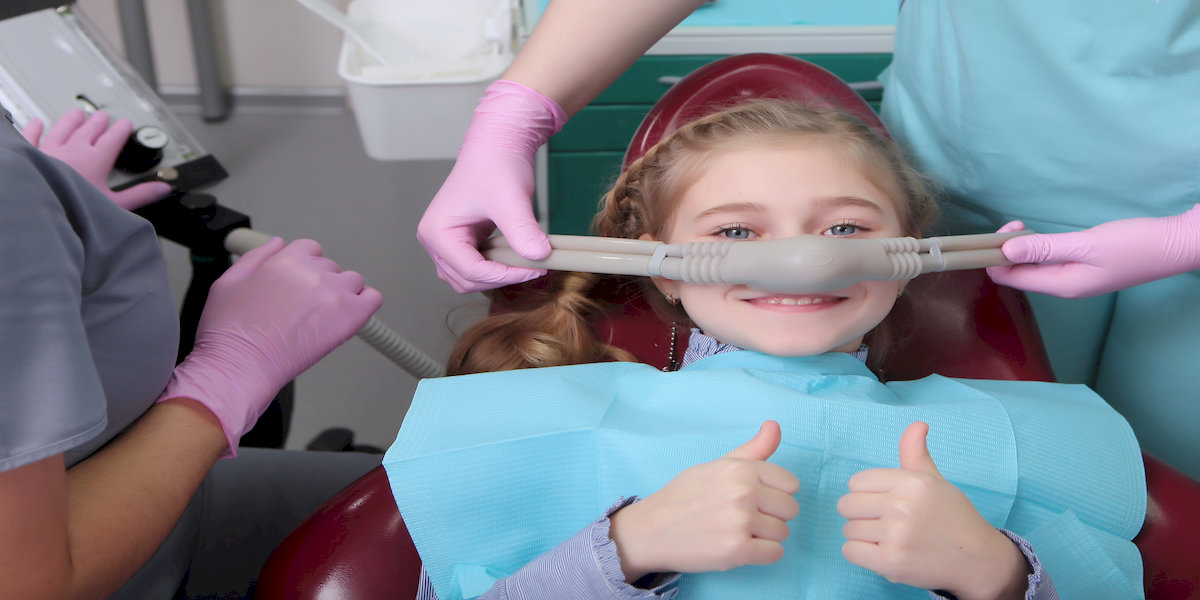
Every child is different, and some simply find the dental environment genuinely difficult to manage. The sights, sounds, and sensations of a dental office can be overwhelming, especially for very young children, those who have had a challenging dental experience in the past, or those with sensory sensitivities or special health care needs. Dental fear and anxiety in children is far more common than many parents realize. Research published in the National Institutes of Health’s National Library of Medicine found that uncooperative behavior and behavior management problems are among the most common reasons children are referred for sedation, and that the majority of children with a history of significant dental behavior challenges have received treatment under sedation at one or more prior appointments. For families navigating this reality, sedation dentistry is not a last resort. It is a thoughtful, well-established clinical tool that makes it possible for children to receive the dental care they need safely, comfortably, and without lasting fear.
At Bay Area Kids Dentist in Sunnyvale, CA, we understand that every visit should be a positive experience, even for children who find dental care especially challenging. Our board-certified pediatric dentists hold certification through the American Board of Pediatric Dentistry (ABPD), the highest standard of specialized training in caring for children of all ages and behavioral profiles. We work closely with families to determine whether sedation is appropriate for their child, which type of sedation best fits their needs, and how to prepare for the appointment so everything goes as smoothly as possible.
When Sedation Dentistry Makes Sense for Children
Sedation dentistry is not recommended for every child, and our team takes a careful, individualized approach to each recommendation. That said, there are several situations where sedation offers clear clinical and emotional benefits for pediatric patients.
Children who are often good candidates for sedation dentistry include those who experience the following:
- Significant anxiety or fear that prevents cooperation during treatment
- Developmental age or chronological age that limits the ability to sit still or follow instructions
- Extensive treatment needs that would require multiple lengthy appointments without pharmacological support
- Special health care needs, including autism spectrum disorder, sensory processing differences, or intellectual disabilities
- A pronounced gag reflex that makes certain procedures difficult to complete safely
- A history of distressing dental experiences that has made future visits especially stressful
If your child’s situation does not fit neatly into any of these categories but you have concerns about how they will manage a dental appointment, we encourage you to reach out. Our team is happy to discuss your child’s specific needs before scheduling so we can plan the most appropriate approach from the start.
Sedation Options We Offer
Pediatric sedation is not a single approach. There are several options available, and the right choice depends on your child’s age, health history, the nature of the treatment being completed, and the level of anxiety or behavioral challenge involved. Our board-certified team will review all relevant factors with you and make a recommendation that prioritizes your child’s safety and comfort.
Nitrous Oxide
Nitrous oxide, often called laughing gas, is the lightest level of sedation used in pediatric dentistry and is well-suited for children with mild to moderate anxiety. It is inhaled through a small, comfortable mask placed over the nose and produces a relaxed, calm feeling within minutes. The child remains fully awake and responsive throughout the visit, and the effects disappear almost immediately after the mask is removed, allowing most children to return to their normal activities the same day. Nitrous oxide is one of the most widely used and thoroughly studied sedation options in pediatric dentistry, with an excellent safety profile.
Oral Conscious Sedation
For children who need a greater level of support, oral conscious sedation involves a liquid or pill medication given before the appointment that produces a deeply relaxed state. The child remains conscious and able to respond to simple instructions, but their anxiety is significantly reduced and they are often left with little memory of the procedure. Oral sedation is typically combined with nitrous oxide and local anesthesia for comprehensive comfort management. Because the effects of oral sedation take some time to wear off, children need a trusted adult to stay with them during the appointment and escort them home afterward.
General Anesthesia
General anesthesia renders the child fully unconscious and is reserved for cases involving very young children, patients with significant special health care needs, or situations where the extent of treatment cannot safely or effectively be completed under lighter sedation. Our team follows the guidelines established by the American Academy of Pediatric Dentistry (AAPD) for the administration and monitoring of all levels of sedation, ensuring that every appropriate safety standard is met at every appointment.
Meet Our Anesthesiologist
When a child needs sedation, having the right anesthesiologist changes everything. Dr. Targ is a board-certified physician-anesthesiologist with over 20 years of private practice experience, bringing hospital-grade monitoring and anesthesia equipment directly to our Sunnyvale office. Trained at both Stanford and UCSF, with additional pediatric anesthesia training at Oakland Children’s Hospital, he holds a current California Dental Board General Anesthesia Permit and personally calls each family before their appointment to ensure they feel fully prepared.
Dr. Targ has a natural ability to connect with kids, and his approach to putting young patients at ease is something families genuinely remember. His personality and technique are warm, playful, and reassuring in a way that simply has to be experienced. We are proud to have him as part of the care team serving Sunnyvale families.
What to Expect Before and After a Sedation Appointment
Preparation is an essential part of any sedation appointment. Before your child’s visit, our team will conduct a thorough review of their health history, current medications, and any conditions that could affect how they respond to sedation. We will provide clear, detailed pre-appointment instructions that include fasting guidelines appropriate to the type of sedation being used, as well as guidance on what to bring and how to help your child feel as comfortable as possible going in.
During the appointment, your child’s vital signs, including oxygen saturation, heart rate, and breathing, are continuously monitored throughout the entire procedure. Our team is trained to respond promptly to any changes and maintains full awareness of your child’s condition from start to finish. After treatment is complete, we monitor your child until they are stable and ready to be discharged, and we provide you with specific aftercare instructions before you leave.
Bay Area Kids Dentist: Sedation Dentistry for Children in Sunnyvale
At Bay Area Kids Dentist, sedation dentistry is an extension of our deeply held belief that every child deserves a dental experience that feels safe and supported, regardless of the challenges they bring to the appointment. Our Sunnyvale office is designed with children’s comfort in mind, our team is selected for their warmth and genuine care, and our board-certified dentists bring the expertise needed to make sedation appointments both effective and low-stress for the whole family. We communicate with parents at every stage, leave no questions unanswered, and never proceed with sedation treatment until you feel fully confident in the plan. We accept Delta Dental PPO, Cigna Dental, and TRICARE, and offer flexible payment options including CareCredit, Cherry, and HSA/FSA.
If you have questions about sedation dentistry or want to discuss whether it may be right for your child, reach out to our Sunnyvale team through our contact form. We are here to help your child get the care they need in the most comfortable, positive way possible.
Problems We Treat
 Emergency Tooth Extraction
- Severe Toothache
- Loose or Dislodged Tooth
- Bleeding Gums
- Knocked Out Tooth
- Infection or Swelling in the Mouth
- Jaw Pain
- Chipped or Cracked Tooth


FAQs
When should I begin brushing my baby’s teeth?
Start brushing as soon as the very first tooth appears, usually around 6 months. Utilize a soft-bristled toothbrush and a tiny smear of fluoride toothpaste.
How do I stop my kid from getting cavities?
Help your child brush their teeth twice a day with fluoride toothpaste, limit sugary snacks and drinks, and visit the dentist periodically for cleanings and check-ups.
How do I know if my kid has a cavity?
Watch for signs such as tooth pain, sensitivity to very hot or cold temperatures, visible holes, or dark spots. Regular dental visits help catch cavities early.
What happens if I don’t fix a cavity in a baby tooth?
Untreated cavities may lead to pain, infection, and may affect how adult teeth come in. It’s important to treat them, even in baby teeth.
Why is my child complaining about tooth pain?
It could be a cavity, tooth injury, gum infection, or something stuck between the teeth. A dental checkup can find the cause.
What causes sudden tooth pain in kids?
Sudden pain may be caused by a cavity, a cracked tooth, an abscess, or even sinus pressure. It’s best to have a dentist examine it.
When do baby teeth start coming in?
Most babies get their first tooth between 6 to 10 months, starting with the lower front teeth.
Why does my child’s gums bleed when brushing?
Bleeding gums can be caused due to brushing too hard, plaque buildup, or the early stages of gum disease. Ensure your child brushes their teeth gently and regularly.
What does it mean if my child’s breath smells bad all the time?
Persistent bad breath can indicate poor brushing, cavities, gum issues, dry mouth, or even allergies. A dental checkup can help find the reason.
Is thumb-sucking bad for my child’s teeth?
Thumb-sucking is normal in babies, but it can affect tooth alignment if it continues past age 4. Consult your dentist if you are concerned.
What should I do if my child knocks out a tooth?
If it’s a baby tooth, don’t try to put it back—call us for advice. If it’s a permanent tooth, gently rinse it and try to place it back in the socket or in milk, and come to the dentist right away.
Why does my child grind their teeth at night?
Nighttime grinding (bruxism) is common in kids and can be caused due to stress, misaligned teeth, or sleep issues. We can evaluate if treatment is needed.
What foods are bad for kids’ teeth?
Sugary snacks, sticky candies, soda, and even dried fruits can lead to cavities. Encourage water, fruits, and crunchy veggies instead.
Are bleeding gums in kids a sign of something serious?
Not always, but it can be an early sign of gum disease or poor oral hygiene. Regular brushing and checkups help keep gums healthy.
At what age do kids usually need braces?
Many kids start orthodontic evaluation around age 7. Early checks help plan for braces if needed.
Is mouthwash safe for kids?
Yes, but only for kids over age 6 who can spit it out. Choose child-friendly mouthwashes with fluoride.


Check-ups and Cleanings
At Bay Area Kids Dentist, we provide thorough dental cleaning and check-up services for children in Sunnyvale, CA...

Sealants
Dental sealants are a thin coating of composite material that forms a hardened shield over the tooth...

Silver Diamine Fluoride
At Bay Area Kids Dentist in Sunnyvale, CA, we offer silver diamine fluoride (SDF) as an innovative solution...

Digital X-Rays
Our dental clinic is equipped with digital X-rays, ensuring the safest and most effective imaging for your child...

Dietary Counseling
At Bay Area Kids Dentist in Sunnyvale, CA, we are aware that diet plays a crucial role in maintaining your child's oral health.

Oral Hygiene Instruction
Startlingly, the American Academy of Pediatric Dentistry reports that tooth decay affects a staggering 40% of children...
In-office prescription toothpaste available
At Bay Area Kids Dentist in Sunnyvale, CA, we offer in-office prescription toothpaste designed to enhance your child’s tooth...

First Appointment
At Bay Area Kids Dentist, we understand that a toddler's first dental appointment is an important step...

Pediatric Emergency Dental Care
At Bay Area Kids Dentist in Sunnyvale, CA, we specialize in providing prompt and effective emergency pediatric dental care...

Laughing Gas
Laughing gas, publicly known as nitrous oxide, helps children who are highly fearful of the dentist feel more relaxed...

Sedation Dentistry
At Bay Area Kids Dentist in Sunnyvale, CA, we perform a range of sedation options to ensure your child's comfort...

Special Needs Dental Care
At Bay Area Kids Dentist in Sunnyvale, CA, we recognize the unique challenges children with special health needs face...

Tooth Crowns
At Bay Area Kids Dentist, we offer advanced custom pediatric dental solutions tailored...

Tooth Extractions
At Bay Area Kids Dentist in Sunnyvale, CA, we offer expert tooth extraction services tailored to the unique needs of children...

Space Maintainers
When a child loses a baby tooth early, the surrounding teeth might shift into the space, leading to alignment...

White Filling
At Bay Area Kids Dentist in Sunnyvale, CA, we provide practical solutions for child tooth decay...
