
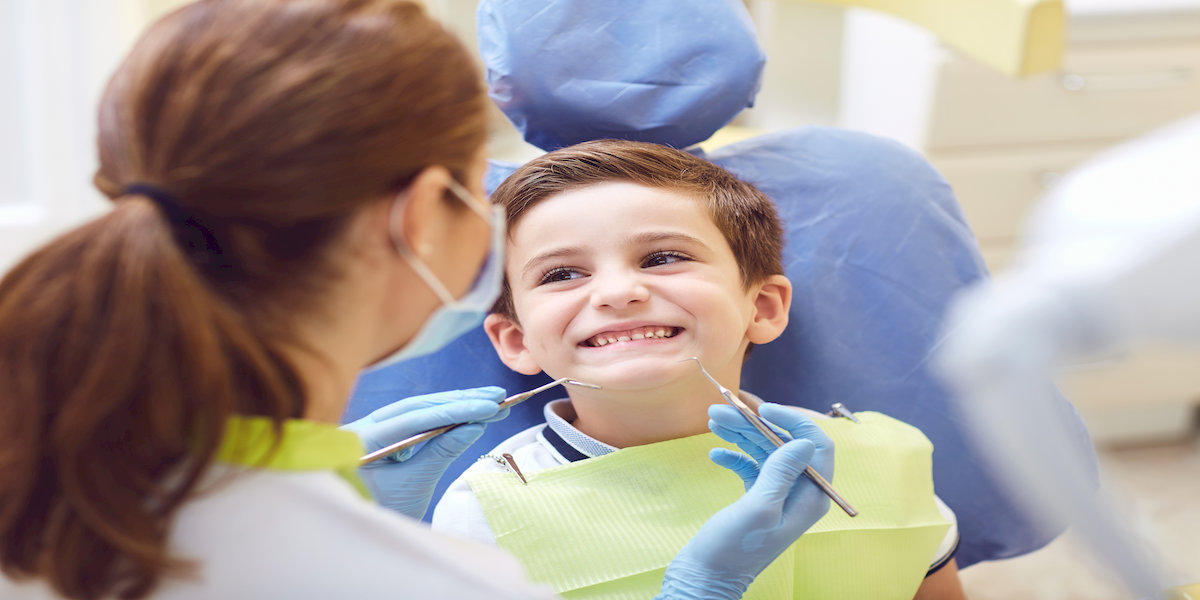
Regular dental cleanings and exams are the most consistent and reliable investment a family can make in a child’s long-term oral health, yet they are also the care that gets skipped most often when life gets busy. The consequences of those gaps add up quietly, and by the time a child has a toothache or a visible cavity, the disease has already been progressing for some time. According to the CDC’s Division of Oral Health, approximately 34 million school hours are lost every year due to unplanned and emergency dental care, an enormous figure that reflects what happens when small problems go undetected until they become painful and urgent. Consistent preventive visits are what stand between a child and that cycle, and for Sunnyvale families, they start right here.
At Bay Area Kids Dentist in Sunnyvale, CA, children’s cleanings and exams are delivered by a team of board-certified pediatric dentists, all holding certification through the American Board of Pediatric Dentistry (ABPD). That credential reflects the highest standards of specialized training in children’s oral health, including the clinical depth and developmental awareness that makes a preventive visit in a pediatric dental office substantively different from one in a general dental setting. Our practice has been caring for Bay Area children for 15 years, and our Sunnyvale team is committed to making every visit an experience that builds trust, protects teeth, and empowers families with the information they need.
More Than a Cleaning: What a Pediatric Preventive Visit Actually Involves
Parents sometimes think of a cleaning as a quick polish and a thumbs-up or thumbs-down on cavities. In reality, a well-executed pediatric preventive visit is a comprehensive developmental assessment that evaluates the whole child, not just the current condition of individual teeth.
Our Sunnyvale team begins every visit with a thorough clinical examination that assesses far more than whether cavities are present. We evaluate how the primary and permanent teeth are erupting relative to the child’s age, whether the bite and jaw are developing in a healthy direction, the health of the gums and supporting structures, the position and resting posture of the tongue, and whether there are any early signs of habits, orthodontic concerns, or airway-related changes that warrant closer attention. We look at the whole oral environment as it is today and compare it to what we know about the child’s development over time.
The professional cleaning that follows removes the plaque and calculus that accumulate even in children who brush and floss diligently at home. Certain areas, particularly the spaces between teeth and along the gumline, are reliably missed by even the most careful at-home routine. Left in place, that buildup feeds the bacteria that produce the acids causing decay and gum inflammation. The cleaning removes it, and the polishing step that follows creates a smoother tooth surface that is harder for new plaque to adhere to.
The Role of Digital X-Rays in Pediatric Preventive Care
Some of the most significant findings from a preventive dental visit cannot be seen with the naked eye. Cavities that form between teeth, bone levels, the position of unerupted permanent teeth, and developing orthodontic concerns beneath the gumline are all visible only on radiographs. At Bay Area Kids Dentist, we use digital X-ray technology that captures high-quality diagnostic images with significantly lower radiation exposure than conventional film X-rays.
We follow the American Academy of Pediatric Dentistry’s evidence-based guidelines for when and how frequently X-rays are recommended for children, which takes into account each child’s individual age, caries risk, and clinical findings rather than applying a blanket protocol. When X-rays are needed, we explain the purpose and process before proceeding, and parents are always welcome to ask questions about any aspect of the diagnostic process.
Preventive Treatments That Protect Developing Teeth
A preventive visit at Bay Area Kids Dentist is also an opportunity to apply the additional protective measures that give developing teeth the strongest possible defense against decay. Fluoride varnish, applied at the conclusion of the cleaning, is painted directly onto the tooth surfaces where it reinforces enamel mineralization and significantly reduces cavity risk. The American Academy of Pediatric Dentistry and major public health organizations recommend professional fluoride applications at least twice a year for all children, with more frequent applications for those at elevated caries risk.
For school-age children whose first and second permanent molars have erupted, dental sealants provide a complementary layer of protection by sealing the deep grooves on the chewing surfaces where the vast majority of childhood cavities begin. These are placed during a regular preventive visit and require no drilling or anesthesia. Together, fluoride and sealants create a layered approach to cavity prevention that is more effective than either measure alone.
Anticipatory Guidance: Helping Families Stay Ahead
One of the most valuable components of every preventive visit at Bay Area Kids Dentist is the anticipatory guidance our team provides to parents. This is the age-specific counseling that helps families understand what to expect from their child’s oral development in the months ahead, what changes to watch for, and how to support good oral health habits at home between appointments. Whether the topic is how to brush a toddler’s teeth effectively, what to do when a baby tooth is wiggly, how to manage a child’s sugar exposure, or when to expect the arrival of the first permanent molars, our team brings the knowledge and the time to answer the questions that matter to each family.
This guidance is tailored to the specific child in front of us, informed by their health history, their developmental stage, and the clinical findings from that day’s visit. It is one of the reasons a relationship with a consistent dental home provides far more value than a series of one-off appointments with different providers.
How Often Should Children Come In?
The American Academy of Pediatric Dentistry recommends professional dental exams and cleanings every six months, beginning when the first tooth appears or by the first birthday. For children with elevated cavity risk due to diet, hygiene habits, genetics, or other factors, our team may recommend a more frequent schedule to keep pace with that risk. Children who consistently attend preventive visits every six months develop familiarity and comfort with the dental environment that tends to make each subsequent appointment easier and more positive, which is an investment in their long-term relationship with dental care.
Bay Area Kids Dentist: Preventive Dental Care for Sunnyvale Children
At Bay Area Kids Dentist, we take our role as your child’s dental home seriously. Our Sunnyvale office is designed to be welcoming, warm, and entirely oriented toward children, with a team of dental assistants who are selected for their genuine affection for working with young patients and their commitment to making every visit feel like a good experience rather than something to dread. We communicate our findings and recommendations clearly at every visit, so there are never any surprises, clinically or financially. We accept Delta Dental PPO, Cigna Dental, and TRICARE, and offer a wide range of flexible payment options including CareCredit, Cherry, HSA/FSA, and membership and discount plans to make preventive care accessible for every Sunnyvale family.
To schedule your child’s next cleaning and exam at our Sunnyvale location, reach out through our contact form. We look forward to being the consistent, trusted dental home your child can count on for years to come.
Problems We Treat
 Emergency Tooth Extraction
- Severe Toothache
- Loose or Dislodged Tooth
- Bleeding Gums
- Knocked Out Tooth
- Infection or Swelling in the Mouth
- Jaw Pain
- Chipped or Cracked Tooth


FAQs
When should I begin brushing my baby’s teeth?
Start brushing as soon as the very first tooth appears, usually around 6 months. Utilize a soft-bristled toothbrush and a tiny smear of fluoride toothpaste.
How do I stop my kid from getting cavities?
Help your child brush their teeth twice a day with fluoride toothpaste, limit sugary snacks and drinks, and visit the dentist periodically for cleanings and check-ups.
How do I know if my kid has a cavity?
Watch for signs such as tooth pain, sensitivity to very hot or cold temperatures, visible holes, or dark spots. Regular dental visits help catch cavities early.
What happens if I don’t fix a cavity in a baby tooth?
Untreated cavities may lead to pain, infection, and may affect how adult teeth come in. It’s important to treat them, even in baby teeth.
Why is my child complaining about tooth pain?
It could be a cavity, tooth injury, gum infection, or something stuck between the teeth. A dental checkup can find the cause.
What causes sudden tooth pain in kids?
Sudden pain may be caused by a cavity, a cracked tooth, an abscess, or even sinus pressure. It’s best to have a dentist examine it.
When do baby teeth start coming in?
Most babies get their first tooth between 6 to 10 months, starting with the lower front teeth.
Why does my child’s gums bleed when brushing?
Bleeding gums can be caused due to brushing too hard, plaque buildup, or the early stages of gum disease. Ensure your child brushes their teeth gently and regularly.
What does it mean if my child’s breath smells bad all the time?
Persistent bad breath can indicate poor brushing, cavities, gum issues, dry mouth, or even allergies. A dental checkup can help find the reason.
Is thumb-sucking bad for my child’s teeth?
Thumb-sucking is normal in babies, but it can affect tooth alignment if it continues past age 4. Consult your dentist if you are concerned.
What should I do if my child knocks out a tooth?
If it’s a baby tooth, don’t try to put it back—call us for advice. If it’s a permanent tooth, gently rinse it and try to place it back in the socket or in milk, and come to the dentist right away.
Why does my child grind their teeth at night?
Nighttime grinding (bruxism) is common in kids and can be caused due to stress, misaligned teeth, or sleep issues. We can evaluate if treatment is needed.
What foods are bad for kids’ teeth?
Sugary snacks, sticky candies, soda, and even dried fruits can lead to cavities. Encourage water, fruits, and crunchy veggies instead.
Are bleeding gums in kids a sign of something serious?
Not always, but it can be an early sign of gum disease or poor oral hygiene. Regular brushing and checkups help keep gums healthy.
At what age do kids usually need braces?
Many kids start orthodontic evaluation around age 7. Early checks help plan for braces if needed.
Is mouthwash safe for kids?
Yes, but only for kids over age 6 who can spit it out. Choose child-friendly mouthwashes with fluoride.


Check-ups and Cleanings
At Bay Area Kids Dentist, we provide thorough dental cleaning and check-up services for children in Sunnyvale, CA...

Sealants
Dental sealants are a thin coating of composite material that forms a hardened shield over the tooth...

Silver Diamine Fluoride
At Bay Area Kids Dentist in Sunnyvale, CA, we offer silver diamine fluoride (SDF) as an innovative solution...

Digital X-Rays
Our dental clinic is equipped with digital X-rays, ensuring the safest and most effective imaging for your child...

Dietary Counseling
At Bay Area Kids Dentist in Sunnyvale, CA, we are aware that diet plays a crucial role in maintaining your child's oral health.

Oral Hygiene Instruction
Startlingly, the American Academy of Pediatric Dentistry reports that tooth decay affects a staggering 40% of children...
In-office prescription toothpaste available
At Bay Area Kids Dentist in Sunnyvale, CA, we offer in-office prescription toothpaste designed to enhance your child’s tooth...

First Appointment
At Bay Area Kids Dentist, we understand that a toddler's first dental appointment is an important step...

Pediatric Emergency Dental Care
At Bay Area Kids Dentist in Sunnyvale, CA, we specialize in providing prompt and effective emergency pediatric dental care...

Laughing Gas
Laughing gas, publicly known as nitrous oxide, helps children who are highly fearful of the dentist feel more relaxed...

Sedation Dentistry
At Bay Area Kids Dentist in Sunnyvale, CA, we perform a range of sedation options to ensure your child's comfort...

Special Needs Dental Care
At Bay Area Kids Dentist in Sunnyvale, CA, we recognize the unique challenges children with special health needs face...

Tooth Crowns
At Bay Area Kids Dentist, we offer advanced custom pediatric dental solutions tailored...

Tooth Extractions
At Bay Area Kids Dentist in Sunnyvale, CA, we offer expert tooth extraction services tailored to the unique needs of children...

Space Maintainers
When a child loses a baby tooth early, the surrounding teeth might shift into the space, leading to alignment...

White Filling
At Bay Area Kids Dentist in Sunnyvale, CA, we provide practical solutions for child tooth decay...
