
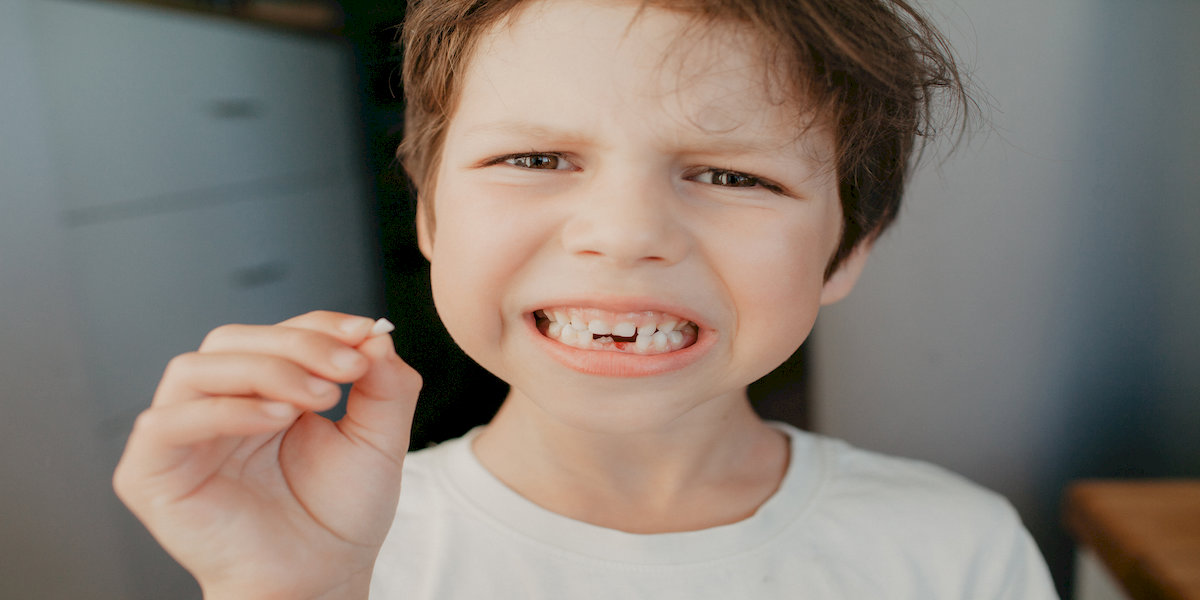
Dental emergencies arrive without warning, and the minutes and hours immediately following one often determine what happens to a child’s tooth for years to come. A playground collision, a sports injury, a sudden severe toothache on a school night: these situations put families under immediate stress and require prompt, skilled care from a provider who is specifically trained to treat children. Research published in the National Institutes of Health’s National Library of Medicine demonstrates that among permanently replanted teeth, those returned to the socket within one hour had a significantly higher rate of remaining in place compared to those with longer out-of-mouth time, underscoring how critical swift action is when a child knocks out a permanent tooth. Across the full spectrum of pediatric dental emergencies, from toothaches and abscesses to fractures and displaced teeth, timing and the right provider make a measurable difference in outcome.
At Bay Area Kids Dentist in Sunnyvale, CA, emergency pediatric dental care is provided by a team of board-certified pediatric dentists who hold certification through the American Board of Pediatric Dentistry (ABPD). That credential reflects years of advanced specialized training that encompasses the full range of dental emergencies as they present in children, including the clinical decision-making, behavioral management, and developmental considerations that are unique to pediatric patients. When your child needs emergency dental care in Sunnyvale, we are here to provide it with expertise, speed, and the calm, child-centered approach that helps families navigate a stressful situation as smoothly as possible.
Recognizing a Pediatric Dental Emergency
Not every dental concern rises to the level of an emergency, but several situations genuinely require prompt evaluation and care. Understanding the difference between what can wait for a next-day call and what needs to be addressed immediately helps families respond appropriately and avoid unnecessary delays when time is a real factor.
Situations that should be treated as dental emergencies and addressed the same day include a tooth that has been completely knocked out, a tooth that has been pushed deeply into the gum or severely displaced, a visible fracture extending into the tooth’s nerve layer, significant facial or jaw swelling that may indicate a spreading infection, or severe dental pain that is keeping a child from eating, sleeping, or functioning normally. Any dental injury that occurs alongside a significant blow to the head or face should prompt a visit to the emergency room first, to rule out head injury, before addressing the dental component.
Knocked-Out Teeth: The Most Time-Sensitive Emergency
A permanently knocked-out tooth is among the most urgent situations in pediatric dentistry. The survival of the periodontal ligament cells on the root surface determines whether re-implantation will be successful, and those cells begin to deteriorate rapidly once the tooth is out of its natural environment. Every minute outside the mouth without appropriate storage conditions increases the risk of long-term complications.
If your child knocks out a permanent tooth, the steps you take in the next few minutes matter. If possible, gently rinse the tooth with clean water without scrubbing or touching the root surface, and place it back in the socket right away. If the child is too young, distressed, or the socket is too injured to allow immediate replacement, store the tooth in a glass of milk, the child’s saliva, or a tooth preservation kit and contact our Sunnyvale team immediately. For primary (baby) teeth, re-implantation is generally not recommended by the American Academy of Pediatric Dentistry because of the risk of damage to the developing permanent tooth underneath. However, evaluation is still important to assess the soft tissue, the socket, and the underlying permanent tooth bud.
Tooth Fractures and Cracks
Tooth fractures in children range from minor chips involving only the outer enamel layer to more serious fractures that expose the inner dentin or reach the pulp at the center of the tooth. The appropriate treatment depends entirely on how deep the fracture extends. A small enamel chip is primarily a cosmetic concern and can often wait a day or two without complications. A fracture reaching the dentin causes sensitivity and requires relatively prompt attention to prevent progression. A fracture into the pulp, marked by visible pink or red tissue at the center of the broken tooth, or by blood seeping from the break, requires same-day care to address the exposed nerve, prevent infection, and preserve the tooth.
If your child fractures a tooth, save any broken fragments if possible. In some cases, broken pieces can be reattached with bonding material. Contact our office to describe what happened and let us assess the urgency based on what you observe.
Dental Abscess and Severe Toothache
Toothaches that are moderate and come and go can often be evaluated within a day or two. A toothache that is severe, constant, or paired with any swelling, fever, or tenderness in the jaw or face requires same-day evaluation. These signs may indicate an abscess: a pocket of infection at the root of a tooth or in the surrounding gum tissue. Dental abscesses in children require prompt treatment, not only to relieve the child’s pain but to prevent the infection from spreading to adjacent teeth, bone, or surrounding tissue.
Facial swelling that appears to be rapidly enlarging or that involves the eye, neck, or floor of the mouth is a more serious situation and warrants a call to 911 or a trip to the emergency room, as these can indicate infections that have spread beyond the dental structures.
Displaced and Loosened Teeth
A tooth that has been physically displaced from its original position without being completely removed is called a luxation injury. These range from a mild concussion, in which the tooth is tender but hasn’t moved, to lateral luxations, where the tooth is pushed sideways, to intrusions, where the tooth has been driven into the bone. Each type of luxation requires different management, and outcomes are strongly influenced by how quickly the child is evaluated and treated.
Our board-certified pediatric dentists assess each luxation injury based on the type of displacement, the age of the child, which dentition is involved, and the condition of the surrounding tissue. We explain the findings, the recommended treatment approach, and what to watch for during the healing period in language that is clear and helpful for families who are often shaken by the experience.
Why a Board-Certified Pediatric Dentist Is the Right Provider for Children’s Emergencies
Children respond differently to pain, fear, and injury than adults do. A frightened child in a dental emergency requires a clinical team that knows how to reduce distress while working quickly, how to explain procedures in developmentally appropriate terms, and how to make clinical decisions that account for the child’s stage of dental development. Board-certified pediatric dentists complete years of advanced training in exactly these competencies, along with the specific clinical skills required to manage the full range of dental injuries and emergencies as they present in patients from infancy through adolescence.
At Bay Area Kids Dentist, every dentist who treats emergency patients in our Sunnyvale office is board-certified and equipped for the clinical and behavioral demands of pediatric emergency care.
Bay Area Kids Dentist: Emergency Pediatric Care in Sunnyvale
At Bay Area Kids Dentist, we understand how disorienting a dental emergency can feel for a family. Our goal is to be a calm, capable, and accessible resource when you need us most. Our Sunnyvale team is selected and trained to manage urgent pediatric situations with both clinical precision and genuine compassion, and we communicate with parents throughout every step so that you understand what is happening and what comes next. We accept Delta Dental PPO, Cigna Dental, and TRICARE, and offer flexible payment options including CareCredit, Cherry, HSA/FSA, and membership and discount plans to ensure that necessary emergency care is never delayed by financial concerns.
If your child is experiencing a dental emergency in Sunnyvale, please contact our team right away through our contact form. We are here to help your child receive the prompt, expert, child-centered care that urgent dental situations require.
Problems We Treat
 Emergency Tooth Extraction
- Severe Toothache
- Loose or Dislodged Tooth
- Bleeding Gums
- Knocked Out Tooth
- Infection or Swelling in the Mouth
- Jaw Pain
- Chipped or Cracked Tooth


FAQs
When should I begin brushing my baby’s teeth?
Start brushing as soon as the very first tooth appears, usually around 6 months. Utilize a soft-bristled toothbrush and a tiny smear of fluoride toothpaste.
How do I stop my kid from getting cavities?
Help your child brush their teeth twice a day with fluoride toothpaste, limit sugary snacks and drinks, and visit the dentist periodically for cleanings and check-ups.
How do I know if my kid has a cavity?
Watch for signs such as tooth pain, sensitivity to very hot or cold temperatures, visible holes, or dark spots. Regular dental visits help catch cavities early.
What happens if I don’t fix a cavity in a baby tooth?
Untreated cavities may lead to pain, infection, and may affect how adult teeth come in. It’s important to treat them, even in baby teeth.
Why is my child complaining about tooth pain?
It could be a cavity, tooth injury, gum infection, or something stuck between the teeth. A dental checkup can find the cause.
What causes sudden tooth pain in kids?
Sudden pain may be caused by a cavity, a cracked tooth, an abscess, or even sinus pressure. It’s best to have a dentist examine it.
When do baby teeth start coming in?
Most babies get their first tooth between 6 to 10 months, starting with the lower front teeth.
Why does my child’s gums bleed when brushing?
Bleeding gums can be caused due to brushing too hard, plaque buildup, or the early stages of gum disease. Ensure your child brushes their teeth gently and regularly.
What does it mean if my child’s breath smells bad all the time?
Persistent bad breath can indicate poor brushing, cavities, gum issues, dry mouth, or even allergies. A dental checkup can help find the reason.
Is thumb-sucking bad for my child’s teeth?
Thumb-sucking is normal in babies, but it can affect tooth alignment if it continues past age 4. Consult your dentist if you are concerned.
What should I do if my child knocks out a tooth?
If it’s a baby tooth, don’t try to put it back—call us for advice. If it’s a permanent tooth, gently rinse it and try to place it back in the socket or in milk, and come to the dentist right away.
Why does my child grind their teeth at night?
Nighttime grinding (bruxism) is common in kids and can be caused due to stress, misaligned teeth, or sleep issues. We can evaluate if treatment is needed.
What foods are bad for kids’ teeth?
Sugary snacks, sticky candies, soda, and even dried fruits can lead to cavities. Encourage water, fruits, and crunchy veggies instead.
Are bleeding gums in kids a sign of something serious?
Not always, but it can be an early sign of gum disease or poor oral hygiene. Regular brushing and checkups help keep gums healthy.
At what age do kids usually need braces?
Many kids start orthodontic evaluation around age 7. Early checks help plan for braces if needed.
Is mouthwash safe for kids?
Yes, but only for kids over age 6 who can spit it out. Choose child-friendly mouthwashes with fluoride.


Check-ups and Cleanings
At Bay Area Kids Dentist, we provide thorough dental cleaning and check-up services for children in Sunnyvale, CA...

Sealants
Dental sealants are a thin coating of composite material that forms a hardened shield over the tooth...

Silver Diamine Fluoride
At Bay Area Kids Dentist in Sunnyvale, CA, we offer silver diamine fluoride (SDF) as an innovative solution...

Digital X-Rays
Our dental clinic is equipped with digital X-rays, ensuring the safest and most effective imaging for your child...

Dietary Counseling
At Bay Area Kids Dentist in Sunnyvale, CA, we are aware that diet plays a crucial role in maintaining your child's oral health.

Oral Hygiene Instruction
Startlingly, the American Academy of Pediatric Dentistry reports that tooth decay affects a staggering 40% of children...
In-office prescription toothpaste available
At Bay Area Kids Dentist in Sunnyvale, CA, we offer in-office prescription toothpaste designed to enhance your child’s tooth...

First Appointment
At Bay Area Kids Dentist, we understand that a toddler's first dental appointment is an important step...

Pediatric Emergency Dental Care
At Bay Area Kids Dentist in Sunnyvale, CA, we specialize in providing prompt and effective emergency pediatric dental care...

Laughing Gas
Laughing gas, publicly known as nitrous oxide, helps children who are highly fearful of the dentist feel more relaxed...

Sedation Dentistry
At Bay Area Kids Dentist in Sunnyvale, CA, we perform a range of sedation options to ensure your child's comfort...

Special Needs Dental Care
At Bay Area Kids Dentist in Sunnyvale, CA, we recognize the unique challenges children with special health needs face...

Tooth Crowns
At Bay Area Kids Dentist, we offer advanced custom pediatric dental solutions tailored...

Tooth Extractions
At Bay Area Kids Dentist in Sunnyvale, CA, we offer expert tooth extraction services tailored to the unique needs of children...

Space Maintainers
When a child loses a baby tooth early, the surrounding teeth might shift into the space, leading to alignment...

White Filling
At Bay Area Kids Dentist in Sunnyvale, CA, we provide practical solutions for child tooth decay...
