
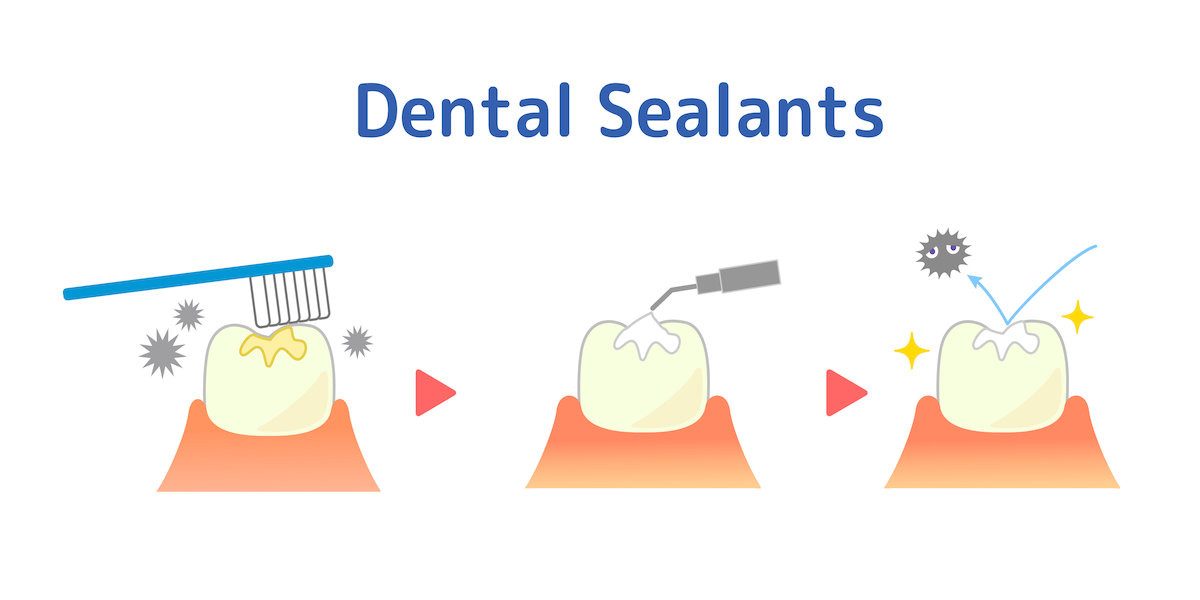
There are few preventive dental interventions that deliver as clear and well-documented a benefit as dental sealants, yet most children still do not have them. According to the CDC’s Division of Oral Health, sealants prevent up to 80% of cavities in the back teeth within the first two years of placement and continue protecting against 50% of cavities for up to four years. Nine out of ten cavities in children occur on exactly those back tooth surfaces that sealants are designed to protect, and children aged 6 to 11 without sealants have nearly three times as many cavities in their first molars as those who do have them. For Sunnyvale families who want to do everything possible to keep their child out of the restorative chair, sealants are among the most powerful tools available.
At Bay Area Kids Dentist in Sunnyvale, CA, dental sealants are a standard part of the preventive care we recommend at the clinically appropriate age for every child in our practice. Every dentist on our team is Board-Certified by the American Board of Pediatric Dentistry (ABPD), reflecting the highest standards of specialized training in children’s oral health. We assess each child individually and recommend sealants at the times that will provide the greatest protective benefit based on their eruption pattern, caries risk, and dental anatomy.
Why the Back Teeth Need Extra Protection
The anatomy of a molar tells the story of why sealants matter. The chewing surfaces of back teeth are covered in a complex topography of pits, fissures, and grooves that are highly effective at breaking down food during chewing but also extraordinarily good at trapping food particles and bacteria. These grooves can be as narrow as a single toothbrush bristle, which means that even careful, thorough brushing cannot consistently reach into the deepest recesses of a molar’s chewing surface. Bacteria settle in, produce acids, and the slow process of decay begins in areas that a toothbrush simply cannot access.
This is not a hygiene failure on the part of the child or the parent. It is a biological reality of molar anatomy that has nothing to do with how conscientiously a child brushes. A sealant resolves the problem by filling in those grooves with a thin resin coating that hardens into a smooth, cleanable surface. There is nothing for bacteria to hide in, and the protected tooth becomes dramatically more resistant to the decay that most commonly affects children’s permanent teeth.
The Placement Process: What to Expect
Parents are often pleasantly surprised by how quick and straightforward sealant placement is. The entire process involves no drilling, no anesthesia, and no discomfort. Our team begins by cleaning and thoroughly drying the tooth to be sealed. A mild conditioning agent is then applied to the surface for a short time to help the sealant bond securely to the enamel. After rinsing and drying again, the sealant material is painted directly onto the chewing surface, flowing into the grooves where it is needed. A curing light hardens the material in a matter of seconds, and the child can eat and drink normally right away.
From start to finish, sealing a set of molars takes only a few minutes per tooth, making the appointment brief enough that it often fits easily into a regular preventive visit without significantly extending its length. For children who tend to be anxious about dental procedures, the simplicity and painlessness of sealant placement is one of its greatest advantages.
Timing: When Sealants Provide the Most Protection
The two most important windows for sealant placement correspond to the eruption of the first and second permanent molars. The first permanent molars typically emerge around age six, making this the earliest ideal time for sealant application on those teeth. The second permanent molars usually arrive around age twelve, presenting the second key opportunity. When sealants are applied promptly after these teeth come in, before any decay has had a chance to develop, they provide the highest level of protection across the cavity-prone years of middle childhood and early adolescence.
In some children, sealants may also be appropriate for primary molars that have deep grooves and elevated decay risk. Although baby teeth are eventually shed, they serve critical developmental functions, including holding space for permanent teeth, supporting jaw growth, and enabling proper chewing and speech throughout early childhood. Keeping them healthy throughout their natural lifespan is always worthwhile. Our team evaluates each child’s teeth individually at every visit and makes sealant recommendations based on what will provide the most meaningful protection for that specific patient.
Sealants and Fluoride Work Together
Sealants and fluoride protect teeth through different mechanisms, and their benefits are complementary rather than redundant. Fluoride strengthens and remineralizes enamel across all tooth surfaces, making teeth more resistant to acid attacks throughout the mouth. Sealants provide a targeted physical barrier specifically on the pits and fissures of the molar chewing surfaces where the highest concentration of cavities occurs. Using both together creates a layered preventive approach that is more effective than either one alone.
At Bay Area Kids Dentist, fluoride varnish is applied at preventive visits as part of our routine preventive protocol, and sealants are placed when the appropriate teeth have erupted. Combined with regular professional cleanings, digital X-rays, and anticipatory guidance for parents, this comprehensive approach gives Sunnyvale children the strongest possible foundation against tooth decay during the years when it is most likely to develop.
Monitoring Sealants Over Time
Because sealants are subject to the normal wear of chewing over months and years, they are checked at every preventive visit. Our team inspects the condition of any existing sealants during the clinical exam and notes whether they are intact, partially worn, or in need of reapplication. A sealant that has chipped or worn away in a key area no longer provides full protection and can be quickly re-applied during a routine visit. This monitoring is another reason that consistent preventive visits every six months are so important: they ensure that the protective measures already in place continue to function as intended.
Bay Area Kids Dentist: Protecting Sunnyvale Smiles With Dental Sealants
At Bay Area Kids Dentist, we believe that the best cavity is the one that never forms. Sealants are one of the most evidence-supported tools we have to make that belief a reality for our Sunnyvale patients, and we take pride in applying them with precision and recommending them at exactly the right developmental moments. Our Sunnyvale office has served Bay Area families as part of a trusted three-location practice for 15 years, and our team brings the warmth, expertise, and consistency that make a long-term dental home genuinely valuable. We accept Delta Dental PPO, Cigna Dental, and TRICARE, and offer flexible payment options including CareCredit, Cherry, HSA/FSA, and membership and discount plans to make comprehensive preventive care accessible for every family we serve.
To schedule your child’s next preventive visit or to ask whether they are ready for sealants, reach out to our Sunnyvale team through our contact form. We look forward to protecting your child’s smile, one tooth at a time.
Problems We Treat
 Emergency Tooth Extraction
- Severe Toothache
- Loose or Dislodged Tooth
- Bleeding Gums
- Knocked Out Tooth
- Infection or Swelling in the Mouth
- Jaw Pain
- Chipped or Cracked Tooth


FAQs
When should I begin brushing my baby’s teeth?
Start brushing as soon as the very first tooth appears, usually around 6 months. Utilize a soft-bristled toothbrush and a tiny smear of fluoride toothpaste.
How do I stop my kid from getting cavities?
Help your child brush their teeth twice a day with fluoride toothpaste, limit sugary snacks and drinks, and visit the dentist periodically for cleanings and check-ups.
How do I know if my kid has a cavity?
Watch for signs such as tooth pain, sensitivity to very hot or cold temperatures, visible holes, or dark spots. Regular dental visits help catch cavities early.
What happens if I don’t fix a cavity in a baby tooth?
Untreated cavities may lead to pain, infection, and may affect how adult teeth come in. It’s important to treat them, even in baby teeth.
Why is my child complaining about tooth pain?
It could be a cavity, tooth injury, gum infection, or something stuck between the teeth. A dental checkup can find the cause.
What causes sudden tooth pain in kids?
Sudden pain may be caused by a cavity, a cracked tooth, an abscess, or even sinus pressure. It’s best to have a dentist examine it.
When do baby teeth start coming in?
Most babies get their first tooth between 6 to 10 months, starting with the lower front teeth.
Why does my child’s gums bleed when brushing?
Bleeding gums can be caused due to brushing too hard, plaque buildup, or the early stages of gum disease. Ensure your child brushes their teeth gently and regularly.
What does it mean if my child’s breath smells bad all the time?
Persistent bad breath can indicate poor brushing, cavities, gum issues, dry mouth, or even allergies. A dental checkup can help find the reason.
Is thumb-sucking bad for my child’s teeth?
Thumb-sucking is normal in babies, but it can affect tooth alignment if it continues past age 4. Consult your dentist if you are concerned.
What should I do if my child knocks out a tooth?
If it’s a baby tooth, don’t try to put it back—call us for advice. If it’s a permanent tooth, gently rinse it and try to place it back in the socket or in milk, and come to the dentist right away.
Why does my child grind their teeth at night?
Nighttime grinding (bruxism) is common in kids and can be caused due to stress, misaligned teeth, or sleep issues. We can evaluate if treatment is needed.
What foods are bad for kids’ teeth?
Sugary snacks, sticky candies, soda, and even dried fruits can lead to cavities. Encourage water, fruits, and crunchy veggies instead.
Are bleeding gums in kids a sign of something serious?
Not always, but it can be an early sign of gum disease or poor oral hygiene. Regular brushing and checkups help keep gums healthy.
At what age do kids usually need braces?
Many kids start orthodontic evaluation around age 7. Early checks help plan for braces if needed.
Is mouthwash safe for kids?
Yes, but only for kids over age 6 who can spit it out. Choose child-friendly mouthwashes with fluoride.


Check-ups and Cleanings
At Bay Area Kids Dentist, we provide thorough dental cleaning and check-up services for children in Sunnyvale, CA...

Sealants
Dental sealants are a thin coating of composite material that forms a hardened shield over the tooth...

Silver Diamine Fluoride
At Bay Area Kids Dentist in Sunnyvale, CA, we offer silver diamine fluoride (SDF) as an innovative solution...

Digital X-Rays
Our dental clinic is equipped with digital X-rays, ensuring the safest and most effective imaging for your child...

Dietary Counseling
At Bay Area Kids Dentist in Sunnyvale, CA, we are aware that diet plays a crucial role in maintaining your child's oral health.

Oral Hygiene Instruction
Startlingly, the American Academy of Pediatric Dentistry reports that tooth decay affects a staggering 40% of children...
In-office prescription toothpaste available
At Bay Area Kids Dentist in Sunnyvale, CA, we offer in-office prescription toothpaste designed to enhance your child’s tooth...

First Appointment
At Bay Area Kids Dentist, we understand that a toddler's first dental appointment is an important step...

Pediatric Emergency Dental Care
At Bay Area Kids Dentist in Sunnyvale, CA, we specialize in providing prompt and effective emergency pediatric dental care...

Laughing Gas
Laughing gas, publicly known as nitrous oxide, helps children who are highly fearful of the dentist feel more relaxed...

Sedation Dentistry
At Bay Area Kids Dentist in Sunnyvale, CA, we perform a range of sedation options to ensure your child's comfort...

Special Needs Dental Care
At Bay Area Kids Dentist in Sunnyvale, CA, we recognize the unique challenges children with special health needs face...

Tooth Crowns
At Bay Area Kids Dentist, we offer advanced custom pediatric dental solutions tailored...

Tooth Extractions
At Bay Area Kids Dentist in Sunnyvale, CA, we offer expert tooth extraction services tailored to the unique needs of children...

Space Maintainers
When a child loses a baby tooth early, the surrounding teeth might shift into the space, leading to alignment...

White Filling
At Bay Area Kids Dentist in Sunnyvale, CA, we provide practical solutions for child tooth decay...
