
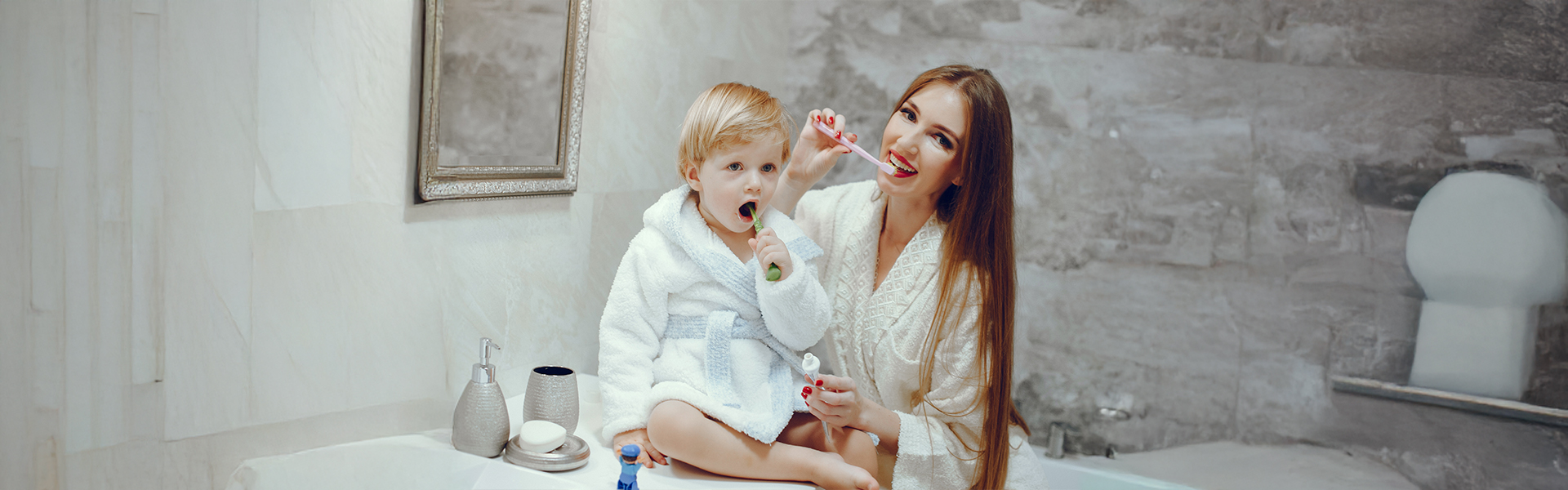
When and How to Introduce Toothpaste to Baby Teeth
A baby’s first tooth is a milestone filled with wonder and care. Parents often ask when to start brushing baby teeth with toothpaste, unsure of the safest way to begin. The answer starts earlier than most expect. Early brushing habits create a strong foundation for lifelong oral health and a confident, healthy smile.
Why Early Oral Care Matters
A child’s first teeth, often called baby or primary teeth, might seem temporary, but they hold an important role. These teeth help your child chew, speak, and guide adult teeth into place later. When decay affects baby teeth, it can spread fast and lead to pain, eating problems, and even speech delays.
Good habits start before the first tooth appears. Gently cleaning your baby’s gums with a soft, damp cloth after feedings removes sugar and bacteria. This simple step lays the groundwork for future brushing.
Dental experts, including the esteemed American Academy of Pediatric Dentistry, recommend early visits to keep track of development. Parents who receive oral hygiene instruction in Santa Clara, CA, often feel more confident caring for their baby’s mouth because they learn techniques that prevent cavities early.
When to Start Brushing Baby Teeth
The first tooth usually appears around six months, though some babies may get theirs earlier or later. Once that first tooth appears, brushing should begin right away. Even a single tooth can collect plaque, the sticky film that leads to decay.
So, when it’s time to begin brushing baby teeth with toothpaste, it becomes clear to start as soon as the first tooth erupts. Begin by using a soft-bristled infant toothbrush and a small dab of toothpaste designed for babies. This helps your child get used to the routine and the feel of brushing.
As more teeth appear, brush them twice a day, once after breakfast and again before bedtime. Keep it gentle and fun. Sing songs, let your baby hold the brush, or make brushing a family routine. The aim is to build trust and consistency.
How Much Toothpaste Should You Use for Babies?
Toothpaste amounts matter more than most parents realize. Too much fluoride can cause faint white marks on developing teeth, known as fluorosis. Too little, and your child misses out on protection.
Here’s a simple guide:
- Under age 3: Use only a smear of fluoride toothpaste, like about the size of a grain of rice.
- Ages 3 to 6: Here, use a pea-sized amount.
- After age 6: Regular brushing amounts apply.
Fluoride strengthens enamel, making teeth way more resistant to decay. The key is supervision. Parents should always help their children brush and make sure they spit out the toothpaste instead of swallowing it.
When done right, toothpaste becomes a safe, effective tool in preventing cavities.
Choosing the Right Toothpaste for Your Child
The toothpaste aisle can feel overwhelming. Bright packages, cartoon characters, and flavors from bubblegum to fruit can make it hard to choose. Look for toothpaste that meets these simple standards:
- Contains fluoride (essential for protection)
- Approved by the American Dental Association (ADA)
- Has a gentle flavor that your child enjoys
Avoid toothpaste with harsh ingredients or abrasives. A mild, fluoride-based paste designed for children is best.
For families seeking expert guidance, visiting a pediatric dentist in Santa Clara, CA can help. A specialist trained in children’s dental care can recommend specific brands, check your child’s brushing habits, and make sure teeth are developing as expected.
Remember, toothpaste should make brushing easier, not stressful. Pick one that fits your child’s needs and keeps them excited to brush.
Common Mistakes Parents Make with Baby Toothpaste
Even well-meaning parents can make small mistakes that affect a child’s dental health. Here are the most common ones and how to avoid them:
- Using adult toothpaste Adult toothpaste often contains stronger ingredients that can irritate a baby’s mouth. Always use toothpaste made for children.
- Skipping brushing baby teeth Some parents think baby teeth don’t matter because they fall out. In truth, decay in baby teeth can harm the gums and affect adult teeth beneath them.
- Letting kids brush alone too soon Children don’t develop the coordination to brush effectively until around age 6 or 7. Supervision ensures every tooth gets cleaned.
- Too much toothpaste More paste doesn’t mean cleaner teeth. Follow the rice-grain or pea-size rule for safe fluoride exposure.
- Not replacing toothbrushes often enough Baby toothbrushes wear out faster due to softer bristles. Replace them every three months or sooner if they fray.
Avoiding these missteps keeps your child’s mouth clean and sets them up for a lifetime of good dental care.
Final Thoughts
Introducing toothpaste early shapes a lifetime of healthy smiles. Begin when the first tooth appears and keep brushing, simple, gentle, and joyful. For expert guidance and trusted care, schedule a visit with Bay Area Kids Dentist today. Their pediatric team helps every child build confidence, comfort, and habits that keep smiles bright for years to come.